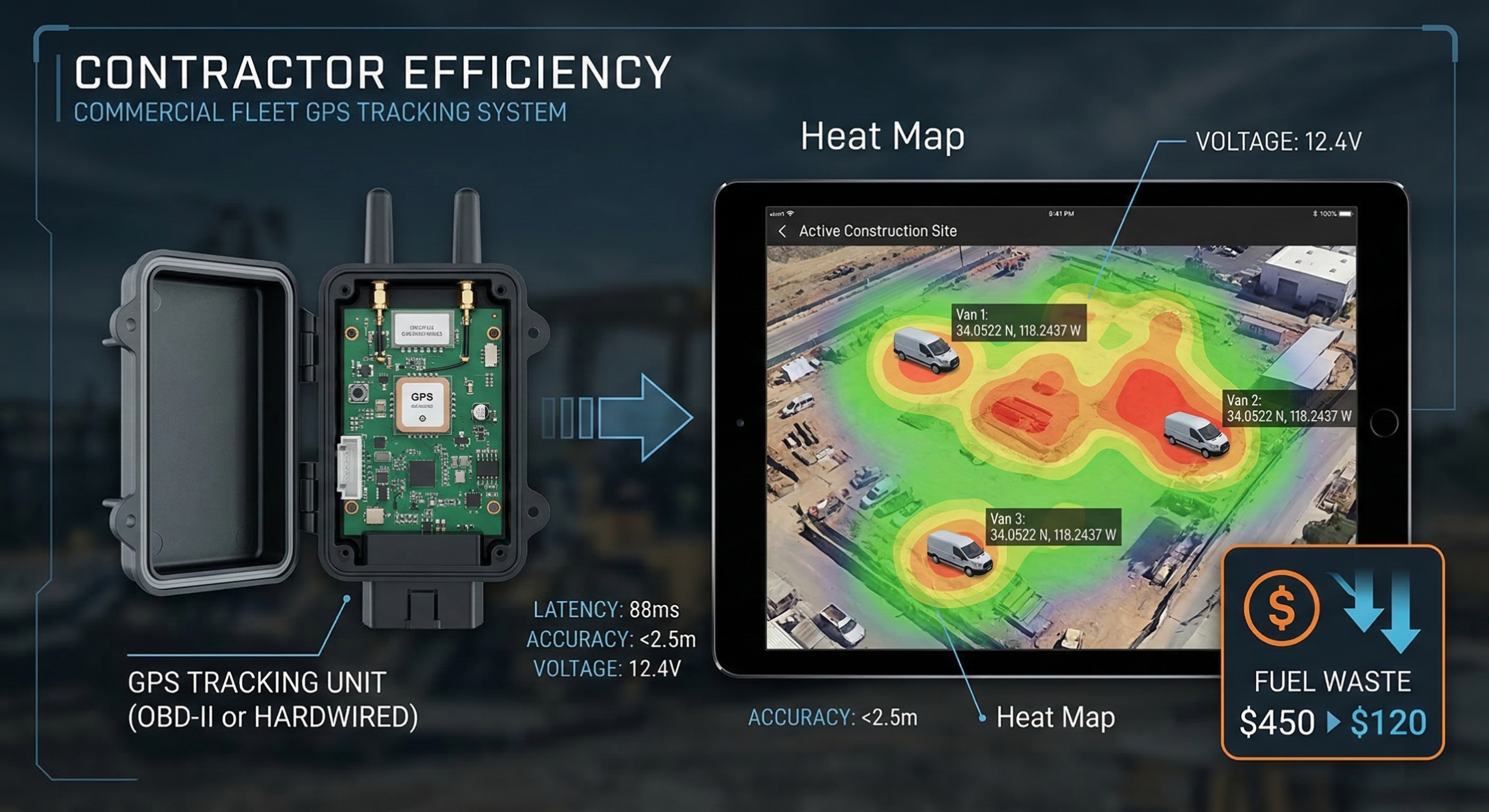
Reliable asset management requires a high-performance commercial fleet GPS tracking system to monitor vehicle locations and engine diagnostics. Modern hardware utilizes 4G LTE cellular connectivity and high-sensitivity GPS modules with accuracy to within 2.5 meters. Technical specifications for contractor-grade units include:
- IP67 waterproof ratings
- internal 3-axis accelerometers, and
- 12V to 24V power compatibility (even 9V to 36V, depending on model).
Implementation of these tracking systems typically results in a 15% reduction in fuel waste and a 20% improvement in routing efficiency for electrical, plumbing, and construction fleets.
Essential Hardware for a Commercial Fleet GPS Tracking System
Contractors face unique environmental challenges that require ruggedized tracking hardware. A standard commercial fleet GPS tracking system must provide real-time data, even in areas with poor cellular reception. These devices connect directly to the vehicle’s power supply but include backup batteries to ensure continuous reporting if a cable is cut. For heavy equipment, trackers must withstand extreme vibrations and temperatures ranging from -30C to +75C (-36F to +167F).
| Category | Typical Technical Specification | Contractor Benefit |
| Connectivity | 4G LTE / 5G Ready | Continuous coverage on remote job sites |
| Durability | IP67 Rated Enclosure | Protection against dust, mud, and rain |
| Power | 9V to 36V Input | Compatible with vans, trucks, and loaders |
| Data Lag | < 100 Milliseconds | Instant alerts for unauthorized movement |
We know that for a contractor (or fleet owner, for that matter), time is the most expensive resource. Our team at Tracking the World designs hardware that stands up to the rigors of the construction site. By installing a commercial fleet GPS tracking system, you gain total visibility over your mobile assets. We focus on providing the ground truth about where your trucks are and how they are being used. It is about protecting your bottom line from unnecessary wear and tear. We see these tools as an essential part of a modern service business.
Maximizing Job Site Efficiency and Tool Security
Equipment theft at construction sites costs the industry over 400 million dollars annually. A commercial fleet GPS tracking system acts as a digital silent alarm for high-value assets. If a trailer or skid steer moves outside of a designated geofence after 6:00 PM, then the system sends an immediate SMS alert. This enables rapid recovery before the equipment is stripped or moved across state lines.
- Geofencing allows you to set virtual boundaries around specific job sites
- Movement alerts notify managers of unauthorized weekend vehicle use
- Remote starter disable features can prevent theft in progress
- Battery backup ensures the device keeps pinging even if the main power is lost
- Ignition sensing identifies exactly when a machine starts and stops working
Efficiency is the difference between a profitable project and a loss. We provide the data that shows you exactly how much time is spent at each location. When you use a commercial fleet GPS tracking system, you can verify arrival and departure times for your crews. This eliminates disputes over labor hours and helps you bill clients with 100% accuracy. We believe in providing tools that make your business more transparent. It helps you manage more people with less stress.
Reducing Fuel Costs and Vehicle Maintenance
Fuel remains a massive overhead for any contractor with a fleet of service vans. Excessive idling is a silent profit killer that many owners overlook. If a vehicle idles for more than 10 minutes, then the system logs it as a coaching opportunity. Reducing idle time by just 20% can save thousands of dollars per vehicle each year. A commercial fleet GPS tracking system also monitors engine health through OBD II port integration.
| Metric | Savings Potential | Maintenance Impact |
| Idle Time | 10 to 15 Percent | Reduces engine carbon buildup |
| Speeding | 5 to 7 Percent | Decreases tire and brake wear |
| Route Optimization | 12 to 20 Percent | Lowers overall mileage per job |
| Maintenance Alerts | Preventive | Avoids costly roadside breakdowns |
Tracking the World focuses on the technical tradeoffs that matter to business owners. We do not just show you a map: we show you a path to higher margins. Using our commercial fleet GPS tracking system means you can schedule maintenance based on actual engine hours rather than just dates. This ensures your vans stay on the road instead of in the shop. We understand the pressure of meeting tight deadlines. Our technology is built to keep your fleet moving forward without interruptions.
Improving Driver Safety and Liability Protection
Accidents are a significant risk for contractors, especially when heavy trailers are involved. Monitoring driver behavior is a proactive way to lower insurance premiums and protect your brand. High G-force events like harsh braking or rapid cornering are captured by the internal sensors. If a driver consistently exhibits risky behavior, then you have the data needed to intervene before an accident occurs.
- Automated driver scorecards based on safety metrics
- Speeding reports that compare vehicle speed to posted limits
- Accident reconstruction data for insurance claims defense
- Seatbelt usage monitoring for safety compliance
- Live maps for dispatchers to find the closest technician for emergencies
Liability is a constant concern in the contracting world. We help you mitigate that risk with verifiable data. Having a record of exactly where your vehicles were at any given time can disprove false claims from third parties. Our hardware provides the evidence you need to back up your drivers. It creates a culture of accountability. When your team knows the vehicles are monitored, they drive with more care. This protects your vehicles and the public.
Scalable Solutions for Growing Fleets
Whether you have two trucks or two hundred, your tracking needs will change as you grow. We offer flexible hardware configurations that can be expanded at any time. If you add specialized equipment like generators or light towers, then we have battery-powered trackers designed for long-term deployment. These units can last up to five years on a single charge while providing daily location updates.
- Easy-to-use software interface for managing multiple vehicle types
- Customizable reporting for different departments
- API integration for connecting with your existing CRM software
- Multi-user access with different permission levels
- Historical data storage for long-term trend analysis
At Tracking the World, we pride ourselves on being a technical partner for our clients. We do not just sell boxes: we provide solutions that solve real-world problems. Our systems are designed to be intuitive so you can spend less time looking at software and more time managing your crew. If you are ready to take control of your fleet, we are here to help. Reach out to our experts to discuss the best hardware for your specific trade. Call us at 650-692-8100 or visit our contact page for a personalized quote.
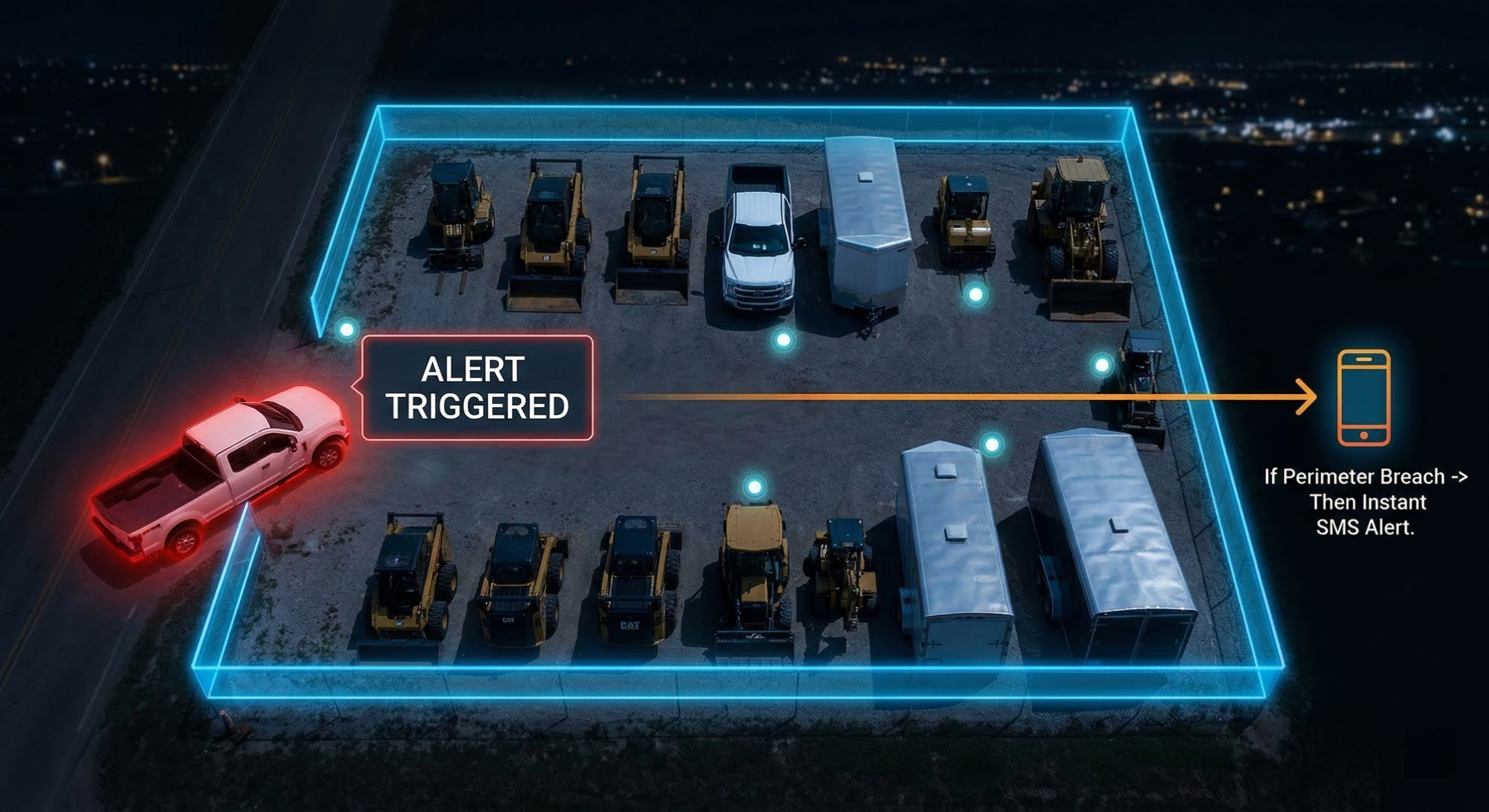


Photo by Chris Cordes on Unsplash https://unsplash.com/photos/man-in-gray-shirt-holding-black-tablet-computer-B296qZ-Yihw
In today’s fast-paced business world, companies must stay ahead. To do so, they must be efficient. They must also be smart. For small to mid-size fleets, this clearly means adopting modern technology. Above all else, GPS fleet tracking software stands out. It offers real-time insights. At the same time, it boosts productivity and drives profit. Most importantly, it levels the playing field. As a result, small and mid-size fleets can now compete with large operations. In turn, they gain powerful tools once only available to big players. Ultimately, GPS fleet tracking is no longer optional. These days, it is essential.
Why GPS Fleet Tracking Software Matters
First, GPS fleet tracking gives visibility. Specifically, it shows where every vehicle is. It also updates instantly. Because of this, managers no longer have to guess. Instead, they can know. In addition, they can track speed, routes, stops, and idle time. As a result, they consistently make better decisions, and this clarity drives efficiency.
Second, customers now expect faster service. In particular, they want accurate arrival times. They also want timely updates. With GPS tracking, companies can deliver on these expectations. Consequently, they can reduce delays. At the same time, they can increase satisfaction. Hence, customer loyalty grows over time.
Moreover, GPS fleet tracking cuts costs. In many cases, it reveals hidden inefficiencies. For example, it exposes unnecessary idling and highlights poor routing. It also shows unsafe driving. Once these issues are visible, they can be corrected quickly. Thus, fuel savings increase and maintenance costs drop.
Tailored for Small and Mid-Size Fleets
For years, large fleets have used fleet management tools. Now, however, software providers build versions specifically for smaller operations. These solutions are easy to use and affordable. They are also scalable. Best of all, they meet the unique needs of small and mid-size fleets.
For example, many small fleets do not have IT teams. GPS tracking systems now offer cloud-based platforms. These platforms require no servers or complex setup. Instead, managers access data through simple dashboards. Because of this, ease of use becomes vital. It saves time. It also reduces frustration.
In addition, pricing models now fit smaller budgets. Today, many vendors offer flexible subscription plans. As a result, companies pay only for what they use. There are no large upfront costs. Thus, small fleets gain access without financial strain.
Real-Time Tracking: The Heart of the System
Above all, real-time tracking remains the core benefit. Managers see live locations at any moment. They also watch movements as they happen. Because of this capability, response times improve. Routing becomes more efficient and enables rapid decisions.
For instance, if a vehicle encounters traffic, managers can quickly reroute others. Similarly, if there is a service delay, staff can update customers immediately. Therefore, communication improves across the board.
Moreover, real-time alerts keep managers informed at all times. Alerts notify about speeding and warn of unauthorized vehicle use. Additionally, alerts monitor vehicle health issues. Consequently, fleets remain safer and more compliant.
Boosting Productivity and Efficiency
GPS fleet tracking software does more than track locations. In fact, it transforms operations. First, it optimizes routes. Instead of guessing the best path, the software suggests the most efficient one. As a result, these suggestions save both time and fuel.
Second, it reduces idle time. Drivers become more aware of their behavior. This means they avoid wasting gas. Idle engines cost money. Tracking software makes this clear. Consequently, drivers improve their habits.
Third, scheduling becomes smarter. Managers can see which vehicles are free and they assign jobs faster. At the same time, they reduce downtime.
Importantly, small and mid-size fleets often wear many hats. Therefore, tools that streamline tasks truly matter. GPS tracking simplifies daily work. In doing so, it takes complexity off the table.
Enhancing Safety and Compliance
Safety is essential. Every fleet worries about accidents. Likewise, every company wants to protect its drivers. In this area, GPS tracking plays a strong role.
First, it monitors driver behavior. It shows speeding, harsh braking, and rapid acceleration. These signals clearly point to unsafe habits. Once visible, managers can coach drivers. As a result, performance improves. Over time, accidents decrease.
Second, GPS tracking helps with compliance. Many fleets must meet regulatory standards. They must keep logs. They must prove hours of service. Fortunately, software records data automatically. This reduces paperwork and reduces errors. Ultimately, it improves compliance.
Third, alerts help enforce rules. If a driver breaks a safety threshold, managers are notified immediately. They can then act quickly. As a result, this proactive approach lowers risk.
Reducing Costs and Driving Profit
Every small and mid-size fleet closely watches the bottom line. Expenses and profit matters. GPS fleet tracking drives savings in many areas.
Fuel is a major cost. By optimizing routes and reducing idle time, fuel use drops. While the savings may seem small at first, they add up fast. Over time, fuel cost reductions significantly improve profitability.
Maintenance is another major cost center. GPS tracking predicts issues early. Sensors can detect engine problems. Alerts signal needed maintenance. As a result, fleets avoid costly breakdowns. Scheduled maintenance also preserves vehicle life. In turn, this saves money.
Insurance costs also decrease. Many insurers reward safer fleets. Therefore, they lower premiums for fleets that use tracking software. In addition, GPS data supports claims. It shows facts clearly and disputes resolve faster.
Finally, improved customer service drives revenue. On-time deliveries improve repeat business. Satisfied customers refer others. As a result, growth follows.
Data-Driven Decisions
Data is power. GPS fleet tracking produces data. In fact, it produces a lot of it. But raw data alone is useless. Instead, the real value lies in insights. Thankfully, modern systems turn data into clear reports.
These reports show patterns. They also reveal trends. Managers learn which routes work best. They see which drivers excel. They identify where costs hide.
With this knowledge, decisions become smarter. Rather than reacting to problems, companies anticipate them. As a result, they plan better. They also forecast with confidence.
Furthermore, data supports strategic growth. Small fleets can scale confidently. Mid-size fleets can expand efficiently. All of this happens with informed decisions.
Easy Implementation and Support
Many fleet managers fear new technology. Often, they worry about disruptions. Yet, leading GPS tracking solutions remove these barriers.
First, installation is quick. Hardware arrives ready to use. Plug-and-play devices go in within minutes. There is no downtime. There are no headaches.
Second, training is simple. The software is intuitive. Most users learn quickly. In addition, vendors provide guides and videos. Support teams are also ready to help.
Third, updates happen automatically. Cloud-based systems receive improvements behind the scenes. As a result, users benefit without effort.
Together, these features make adoption painless. Small and mid-size fleets can implement fast. Consequently, they start gaining value right away.
Choosing the Right GPS Fleet Tracking Software
Not all solutions are the same. Careful selection matters. Small and mid-size fleets should evaluate several key factors.
First, consider cost. Choose a solution that fits the budget. Look at monthly fees and hidden costs. Above all, avoid surprises.
Second, review features. Look for real-time tracking, alerts, reporting, and mobile access. Make sure the system meets operational needs.
Third, think about scalability. The software should grow with the fleet. It should add users and vehicles with ease.
Fourth, evaluate support. Vendors that offer strong customer service make a real difference. Reliable support ensures smooth operation.
Lastly, reviews and reputation matter. Successful fleets share their experiences. Listen to them. Learn from them.
The Future of Fleet Management
GPS fleet tracking is not static. Instead, it continues evolving. Soon, integration with AI and machine learning will be common. Predictive analytics will suggest even better routes. Sensors will provide deeper vehicle health data. Driver coaching will also become more automated.
For small and mid-size fleets, this future is especially exciting. These advancements will deliver greater efficiency. They will lower costs. They will enhance safety. Most importantly, they will support growth.
The message is clear. GPS fleet tracking software is no longer a luxury. Rather, it is a strategic asset. It turns data into action, empowers managers, and strengthens fleets.
Final Thoughts
In conclusion, GPS fleet tracking software offers transformative value to small and mid-size fleets. It delivers visibility, efficiency, safety, and cost savings. At the same time, it simplifies operations. It enhances customer service. It also supports smart decision-making. Moreover, it empowers fleets to grow and compete.
For any fleet aiming to improve performance, investing in GPS tracking is a smart choice. It drives measurable results. It delivers real impact. Above all, it positions fleets for success in a competitive market.
Ultimately, adopting GPS fleet tracking software is not just a technological upgrade. It is a business advantage.


Mohamed_hassan / Pixabay
GPS tracking solutions now do much more than show locations. They act as core operational systems for modern businesses. These platforms connect vehicles, equipment, assets, and personnel to centralized software. Most solutions use telematics and fleet-management tools. They give real-time visibility, reduce inefficiencies, and support better decisions. Industries such as transportation, logistics, construction, field services, and the public sector rely on GPS tracking to operate at scale.
What GPS Tracking Means for Businesses
A GPS tracking solution combines hardware, connectivity, and cloud-based software. It continuously collects and analyzes location and sensor data from mobile assets. Modern systems do not simply display maps. They convert raw data into insights that guide dispatching, maintenance, safety, and compliance. When used strategically, GPS tracking helps control costs, improve service, and reduce risk.
Core Components of GPS Tracking Solutions
Modern GPS tracking platforms include three integrated layers. The first layer is hardware and sensors. These devices are installed in vehicles or attached to assets. Examples include OBD‑II devices, hardwired trackers, battery-powered asset trackers, and IoT sensors. They collect data such as location, speed, ignition status, mileage, fuel use, engine health, and environmental conditions.
The second layer is connectivity. Most systems use cellular networks such as 4G/LTE, LTE‑M or NB‑IoT. Satellite connectivity supports remote operations. Reliable data transfer ensures accurate and timely information.
The third layer is cloud-based software and analytics. This layer includes dashboards, live maps, alerts, reports, route optimization, and geofencing. APIs allow integration with ERP, CRM, dispatch, and maintenance systems. Together, these layers turn location data into actionable intelligence.
How GPS Tracking Improves Operations
GPS tracking improves operations by increasing visibility. Managers can see asset locations and availability in real time. This visibility supports faster dispatching, fewer unnecessary miles, and more accurate arrival times. Over time, organizations improve asset use and service consistency.
GPS tracking also helps reduce fuel and operating costs. By analyzing telematics data, organizations can identify inefficient driving behaviors such as excessive idling, speeding, and poor routing. As a result, managers can coach drivers and adjust routes. Even small improvements can generate significant savings across large fleets.
In addition, safety and liability management improve. For example, driver behavior data supports coaching and incident reviews. This approach helps reduce accidents, lower insurance costs, and strengthen accountability. At the same time, detailed records protect organizations against false claims.
Another key benefit is predictive maintenance. By combining GPS data with engine diagnostics and mileage, organizations can plan maintenance more effectively. Consequently, they reduce breakdowns, limit downtime, and extend asset life. Overall, this leads to higher availability and lower ownership costs.
Asset security and utilization also improve. Through geofencing and real-time alerts, organizations can prevent theft and recover assets faster. Meanwhile, utilization reports reveal underused assets. This insight allows organizations to reallocate resources, reduce fleet size, or delay new purchases.
Finally, GPS tracking simplifies compliance. Automated logs, inspections, and reports reduce paperwork and minimize errors. As a result, organizations remain audit-ready without disrupting daily operations.
Features That Deliver Business Value
High-value GPS tracking features align with operational goals. Real-time tracking and trip history support dispatch and analysis. Geofencing and alerts enable proactive management. Route optimization and ETA tools reduce mileage and improve customer experience.
Driver scoring and coaching tools support safety and fuel efficiency. Maintenance tools reduce unplanned downtime. Open APIs prevent data silos by enabling system integration. Scalability, flexible hardware and strong data security support long-term use.
Measuring Return on Investment
Organizations should define clear metrics before deployment. Baseline measurements help track improvement. Common KPIs include fuel cost per mile, response time, asset utilization, maintenance cost, downtime, accident rates, and administrative hours.
When tracked consistently, these metrics show how GPS tracking offsets its cost. Many organizations see positive returns within months. Savings often come from fuel reduction, fewer accidents, and less administrative effort.
Implementation Best Practices
Successful deployment requires clear goals. Objectives should link to measurable outcomes. Pilot programs allow teams to refine workflows before scaling.
System integration is essential. GPS data should connect to dispatch, maintenance and customer systems. Employee engagement also matters. Positioning GPS tracking as a safety and performance tool improves adoption. Over time, automation should replace manual processes.
Industries That Benefit Most
GPS tracking benefits many organizations with mobile assets. It delivers strong value in transportation and logistics, construction, equipment rental, field services, utilities, public fleets and food distribution. Industry-specific features increase control and speed adoption.
GPS Tracking as a Strategic Asset
GPS tracking is no longer just a location tool. When combined with analytics, integrations and change management, it becomes a strategic asset. Organizations gain lower costs, improved safety, better asset use, and higher service quality. For businesses seeking efficiency and accountability, GPS tracking is a proven and scalable investment.
Future Trends in GPS Tracking Technology
GPS tracking solutions continue to evolve as technology advances. Artificial intelligence and machine learning are increasingly embedded in telematics platforms. These tools analyze large volumes of historical and real-time data to identify patterns that humans may miss. As a result, organizations can receive smarter recommendations for routing, maintenance, and risk reduction.
Automation is another growing trend. Modern systems can trigger workflows automatically based on predefined rules. For example, maintenance tickets can open when mileage thresholds are reached. Alerts can notify managers when assets enter or leave job sites. Automated actions reduce manual effort and improve response times.
The expansion of Internet of Things (IoT) sensors is also shaping the future of GPS tracking. Beyond basic location data, these sensors now capture information such as temperature, humidity, vibration, and cargo status. As a result, these capabilities are especially valuable for industries like food distribution, pharmaceuticals, and construction. Overall, businesses gain deeper visibility into asset conditions, not just their movement.
Electric vehicle fleet management is becoming a critical focus area. As organizations adopt electric vehicles, GPS tracking platforms are adapting to monitor battery health, charging behavior, and energy consumption. These insights help fleets optimize charging schedules and avoid operational disruptions.
In addition, data security and privacy are also receiving increased attention. Enterprise-grade GPS solutions now include stronger encryption, role-based access controls, and compliance with global data protection standards. These measures ensure that sensitive operational data remains protected.
Looking ahead, GPS tracking will play an even larger role in strategic planning. Over time, long-term trend analysis will support capacity planning, network design, and sustainability initiatives. As a result, organizations that invest in modern GPS tracking solutions today will be better positioned to adapt, scale, and compete in increasingly complex operational environments.

When it comes to managing assets, vehicles, and personnel efficiently, real-time GPS tracking is a game-changer. It provides instant location updates, operational visibility, and critical data that businesses can use to improve productivity and reduce costs. At Tracking the World, real-time GPS tracking is more than just a tool. It’s a complete solution designed to meet the demands of modern businesses across industries.
In this article, we’ll explain how real-time GPS tracking works, the technology behind it, and why more businesses are turning to companies like Tracking the World to implement these systems.
What Is Real-Time GPS Tracking?
Real-time GPS tracking refers to the continuous transmission of location data from a GPS-enabled device to a centralized software platform. Unlike passive systems that store data for later retrieval, real-time systems allow users to monitor movements as they happen, second by second or at set intervals.
This technology is commonly used in:
- Fleet and vehicle tracking
- Asset protection
- Employee monitoring
- Law enforcement and private investigations
- Personal safety and elder care
Tracking the World offers a wide range of GPS tracking devices and software that support real-time tracking for all of these use cases, including solutions that work globally via cellular and satellite networks.
How Does Real-Time GPS Tracking Work?
Real-time tracking is powered by several integrated components:
- GPS Receiver: Each tracking device is equipped with a GPS chip that receives signals from a network of satellites orbiting the Earth. These signals allow the device to determine its exact location, usually within a few feet.
- Communication Module: Once the location is calculated, it must be transmitted back to a server. This works through a built-in cellular modem (3G, 4G, or LTE) or, in some cases, via satellite communication. Devices from Tracking the World will transmit data in real-time to web tracking software or mobile apps.
- Tracking Software: The transmitted data is processed and displayed on a map interface, where users can view current and historical locations, set geofences, receive alerts, and generate reports. Tracking the World provides advanced, scalable tracking software for business users, complete with features like route replay, custom alerts, and data export.
- Cloud Storage: All collected data is stored securely in the cloud, allowing businesses to access reports and playback travel routes for compliance, audits, or customer service verification.
Top Benefits of Real-Time Tracking for Businesses
Investing in GPS tracking technology is no longer optional for companies that rely on vehicles, equipment, or mobile teams. Here’s how real-time GPS tracking benefits your bottom line with more detail.

Photo by Theo Decker on Pexels
Improved Fleet Efficiency
For transportation, delivery, or field service companies, real-time GPS tracking helps dispatchers make faster decisions. By knowing exactly where each vehicle is, managers can:
- Re-route drivers to avoid traffic
- Assign the nearest vehicle to new service calls
- Reduce idle time and unauthorized stops
Tracking the World offers rugged vehicle trackers that report in real time and integrate with advanced fleet management software.
Asset Protection and Theft Recovery
High-value equipment and mobile assets are frequent targets for theft. With real-time tracking, any unauthorized movement can trigger immediate alerts. The GPS location can share data with law enforcement to assist in recovery.
Tracking the World’s asset tracking devices include compact, battery-powered units designed for trailers, construction equipment, and cargo containers, offering long battery life and covert placement.
Driver Safety and Behavior Monitoring
GPS tracking systems can help monitor driver behavior by capturing data on speed, harsh braking, and route deviations. This not only helps protect your business legally but also encourages safer driving habits and lowers insurance premiums.
Many of Tracking the World’s solutions include optional features such as motion detection and tamper alerts for added security.
Regulatory Compliance
Certain industries, like logistics and freight, require compliance with hours-of-service regulations and electronic logging. Real-time tracking supports this by providing timestamped travel data, mileage logs, and time-on-site reports.
Tracking the World offers commercial-grade devices that can pair with sensors and data loggers to help meet regulatory standards.
Enhanced Customer Service
Customers today expect accurate delivery times and transparency. Real-time GPS tracking allows businesses to provide customers with live updates, estimated arrival times, and proof of delivery, boosting credibility and satisfaction.
Real-Time GPS Tracking in Different Industries
Tracking the World serves a wide range of industries with real-time GPS tracking products tailored to specific needs:
- Transportation & Logistics: Track truck fleets, delivery vans, and freight shipments with precision. Geo-fencing, route replay, and scheduled reporting help reduce operational costs and improve accountability.
- Construction & Heavy Equipment: Secure valuable machinery with battery-operated GPS devices that alert you if an asset is moved outside designated areas.
- Healthcare & Personal Safety: Real-time GPS trackers for vulnerable individuals, such as seniors or patients with memory loss, provide peace of mind for families and caregivers. SOS buttons and fall detection are available on select models.
- Law Enforcement & Investigations: Discreet tracking for investigations and surveillance. Real-time location data is critical for time-sensitive operations. Tracking the World offers compact, hard-to-detect devices that are perfect for use by security professionals.
Why Choose Tracking the World?
Tracking the World stands out in the GPS tracking industry for its focus on reliability, flexibility, and innovation. Here’s what makes them a trusted choice for businesses nationwide:
- Wide Device Selection – GPS trackers for vehicles, assets, people, and custom applications
- Real-Time Tracking Software – Cloud-based platform accessible via desktop and mobile
- Global Coverage – GSM and satellite-enabled devices work across borders
- Custom Solutions – OEM opportunities for businesses wanting to brand or modify devices
- Expert Support – Over 20 years of experience providing tailored tracking systems
Whether you’re a small business managing a few vehicles or a large enterprise with complex tracking needs, Tracking the World offers scalable solutions that grow with you.
Get Real-Time GPS Tracking Solutions with Tracking the World
Real-time GPS tracking has quickly become an important tool for modern businesses. If you value efficiency, accountability, and security, these options can deliver more than just location data, offering insight, control, and peace of mind.
With Tracking the World, you’re investing in a full-feature system that will meet your operational goals. Whether you’re monitoring a fleet, protecting valuable assets, or ensuring the safety of personnel, real-time tracking delivers the information you need and when you need it most.
Ready to take control of your operations? Explore real-time GPS tracking solutions at TrackingTheWorld.com and discover how your business can benefit from smarter tracking today.


Personal Tracker Photo by sylviebliss | Pixabay
Your parents took care of you and made sure that you were safe growing up. Now your parents maybe elderly and it is your turn to care for them and ensure they are safe. While taking care of your elderly parents may seem like a big responsibility, it does not mean that you can’t have a life outside of taking care of them. GPS and personal trackers help to keep the elderly safe as well as giving you peace of mind.
Reduce Wandering
One big issue with the elderly is wandering. If you have, GPS or personal tracker app on your phone, you will be able to track their location. GPS and personal trackers have a setting that allows for an alarm to go off if the older adult has wandered too far. A tracking device is especially helpful for parents with Alzheimer’s or dementia as they are more prone to wander off. When you know the location of your elderly parents, it allows freedom for them and peace of mind for you.
Safer Driving
In addition to keeping track of your elderly parent’s location, you can track them while driving. Elderly are some of the most at-risk drives alongside teenage drivers. When your elderly parent has a personal tracking device, you can make sure they are driving safely. Being able to track your elderly parent while driving allows them to go to appointments and run errands freely. Knowing where they are while driving also allows you to make sure they are getting places safely.
Call Out for Help
Your elderly parent may live alone, which makes you worry more. GPS and personal trackers allow for the elderly to call out for help. A notification will be sent to you when your elderly parent calls out for help. Being aware of the danger your parent faces allows you to take the correct measures for your parent’s safety.
In some cases, you may be overbearing when it comes to your elderly parent’s safety. You may do things that make your parent feel a loss of freedom. When an elderly parent knows they can call out for help at any time, it allows them to go about their normal routine.
Wearable GPS Tracker
It may cross your mind to just a GPS tracker on your elderly parent’s phone. Since the elderly tend to forget things like phones, it is best to buy a wearable GPS or personal tracker. A wearable tracker whether watch or pendant allows for your parent to never forget about it. Since your parent can never forget their wearable tracker, you rest easier knowing their location at all times.
Order Your GPS or Personal Tracker
Worrying about the safety of your elderly parent is normal. Your parent is your family, and they took care of you growing up. When it becomes your turn to take care of them, you want to make sure they are always safe. Your elderly parent may, however, think you are overbearing and interfering with their life. A GPS or personal tracker allows your parent freedom and your peace of mind. Order your GPS or personal tracker today from Tracking the World and let your elderly parent live the life they deserve.
As you know, we’re always scouring the Web for interesting GPS tracking news. Here’s what we’re reporting for June 2016:
Indiana Detention Center Considering Reduction in Jail Overcrowding with GPS Trackers for Inmates

Vanderburgh County, Indiana is looking at GPS tracking options, and the transfer of some inmates to other jails to reduce over crowding in its own facilities. Eligibility for the GPS tracking program will be determined by a judge if implemented.
GPS Tracking Reveals San Andreas Fault Activity

GPS technology has recently revealed some activity along the San Andreas Fault in California. The earth on each side of the fault has been found to be moving a few millimeters a year. While this movement was something scientists had predicted for some time, they had been unable to detect a particular pattern due to “noise” or interference in the feedback they were receiving. A new GPS technology has helped eliminate the “noise” for a more clear understanding of tectonic movement, particularly the vertical movement around the San Andreas Fault.
Source: http://www.sfgate.com/news/article/GPS-data-suggests-considerable-movement-along-8316050.php
China Moving Toward Its Own GPS Tracking

On June 12, 2016, China launched the 23rd GPS tracking satellite in the BeiDou Navigation Satellite System–China’s network of its own GPS tracking satellites. The BeiDou Satellite System has been regionally available for some time, but the Chinese government has recently been ramping up efforts toward a globally operational system similar to the global systems in place within the United States and Russia. India and Japan are in progress on similar efforts.
Source: http://www.wired.com/2016/06/rocket-launch-brings-china-one-step-closer-gps/
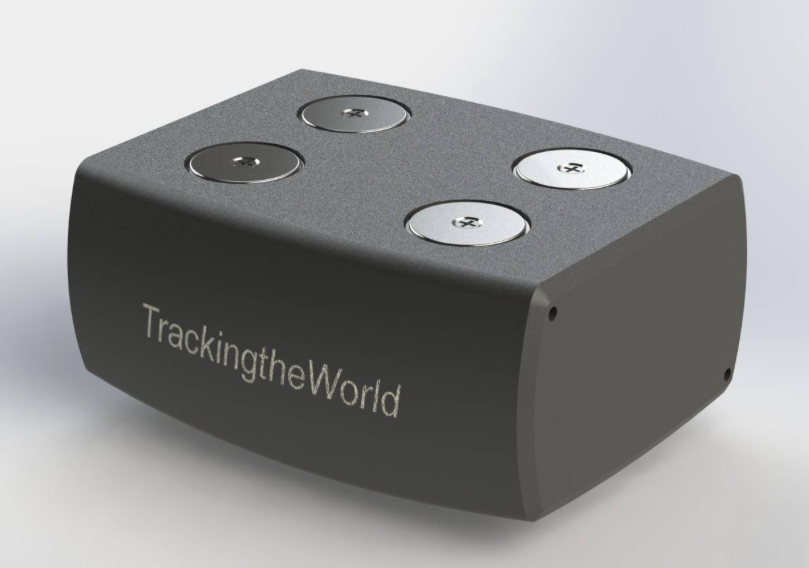
TrackingTheWorld has released a powerful extended life battery pack for covert tracking with the firm’s Enduro Pro tracking devices. The external GPS battery pack has the capability to extend battery life from one to three weeks based on the user’s chosen reporting frequency, and the amount of time the tracker is in motion. The case is equipped with 4 recessed magnets to quickly and firmly mount on any car frame or other magnetic surface
The durable battery case contains an 8.5-amp/hr. lithium polymer rechargeable battery, and a space to insert the tracking device. The pack also includes a cable for connecting the tracker to the extended life battery and charger.
Water resistant, the undercover tracking battery case is compact, measuring just 2 X 3.6 X 4.3 inches. The device automatically conserves power by hibernating when the connected tracker senses no motion.
In addition to covert tracking applications, the battery pack may also be used for fleet tracking, asset protection, law enforcement applications, and personal use.
TrackingTheWorld, based in Burlingame, California, exclusively specializes in GPS tracking software, trackers, covert tracking, and accessories. Founded in 2003, the firm offers a wide variety of GPS tracking devices, accessories, and revenue sharing plans for GPS tracking dealers. For more information, please call 650-692-8100, email sales@trackingtheworld.com, or visit www.trackingtheworld.com.

Philippines LTFRB Calls for GPS on Public Buses By April 30th
Manila officials are attempting to control excessive speeding among public transportation officials through fleet tracking. Calling for GPS tracking devices in all provincial buses before the end of April, officials hope to utilize the GPS trackers and GPS tracking software to determine which buses are habitually speeding to improve the transportation.
Source: http://www.philstar.com/nation/2016/02/12/1552339/ltfrb-orders-bus-operators-install-gps-devices

ULA Launches New GPS Satellite on February 5
The United Launch Alliance completed a successful launch of a new GPS tracking satellite on February 5, 2016. This launch was the final of 12 new satellite launches, collectively known as the Block II-F series. Built by Boeing, and monitored by the United States Air Force, the launch of the $131-Million GPS Satellite is intended to improve GPS tracking, including fleet tracking and covert tracking, worldwide. 30 of 50 orbiting satellites remain active, with the first launched in 1978.
Source: http://techcrunch.com/2016/02/05/new-air-force-satellites-launched-to-improve-gps/

GPS Tracking Software Art
Here’s a new twist on the many uses for GPS tracking software. Creative fitness enthusiast have begun creating GPS tracking art via their outdoor fitness running and biking routes. By planning an exact route, the resulting GPS software display will appear in a desired shape, likeness, or pattern.
Photo Credit: Architect.Com

Coast Guard Warns Mariners About GPS Jammers
The coast guard recently cautioned mariners of the possible risks of GPS jamming devices, noting cases where vessels were without GPS tracking navigation for some time. In the absence of GPS tracking software, mariners rely on terrestrial navigation, and magnet compass information.
Source: http://www.maritime-executive.com/article/coast-guard-warns-on-gps-jamming

Peru Cleaning Up Trash with Help of GPS Tracking Equipped Vultures
GPS tracking is for the birds in Lima, Peru where officials have declared war on trash dumping, and are relying on GPS equipped vultures to lead them to problem dumping sites. Future plans also include outfitting the feathered environmental monitors with cameras.
Source: http://siliconangle.com/blog/2016/01/22/gps-equipped-vultures-lead-perus-war-on-trash/

GPS WORLD Reports 8-Million GPS Tracking Devices Used for Fleet Tracking
If you’ve ever doubted the critical role GPS tracking software plays in today’s business world: According to a study released by C.J. Driscoll and Associates, GPS World reports that a staggering 8M GPS trackers and wireless devices are in use for fleet management applications. By 2019, this number is expected to reach 14 million units, with service revenues projected to reach $4.7 Billion.
Source: http://gpsworld.com/eight-million-gpswireless-devices-in-use-for-fleet-management/

Future Indiana restraining orders may come with GPS trackers. A new proposal may give judges the authority to issue GPS ankle bracelets in cases where the alleged abuser is forbidden from contacting the party requesting the order. Given that many subjects of restraining orders ignore them, the added security measure of GPS trackers may provide victims the opportunity they need to escape an alleged abuser.
Source:


