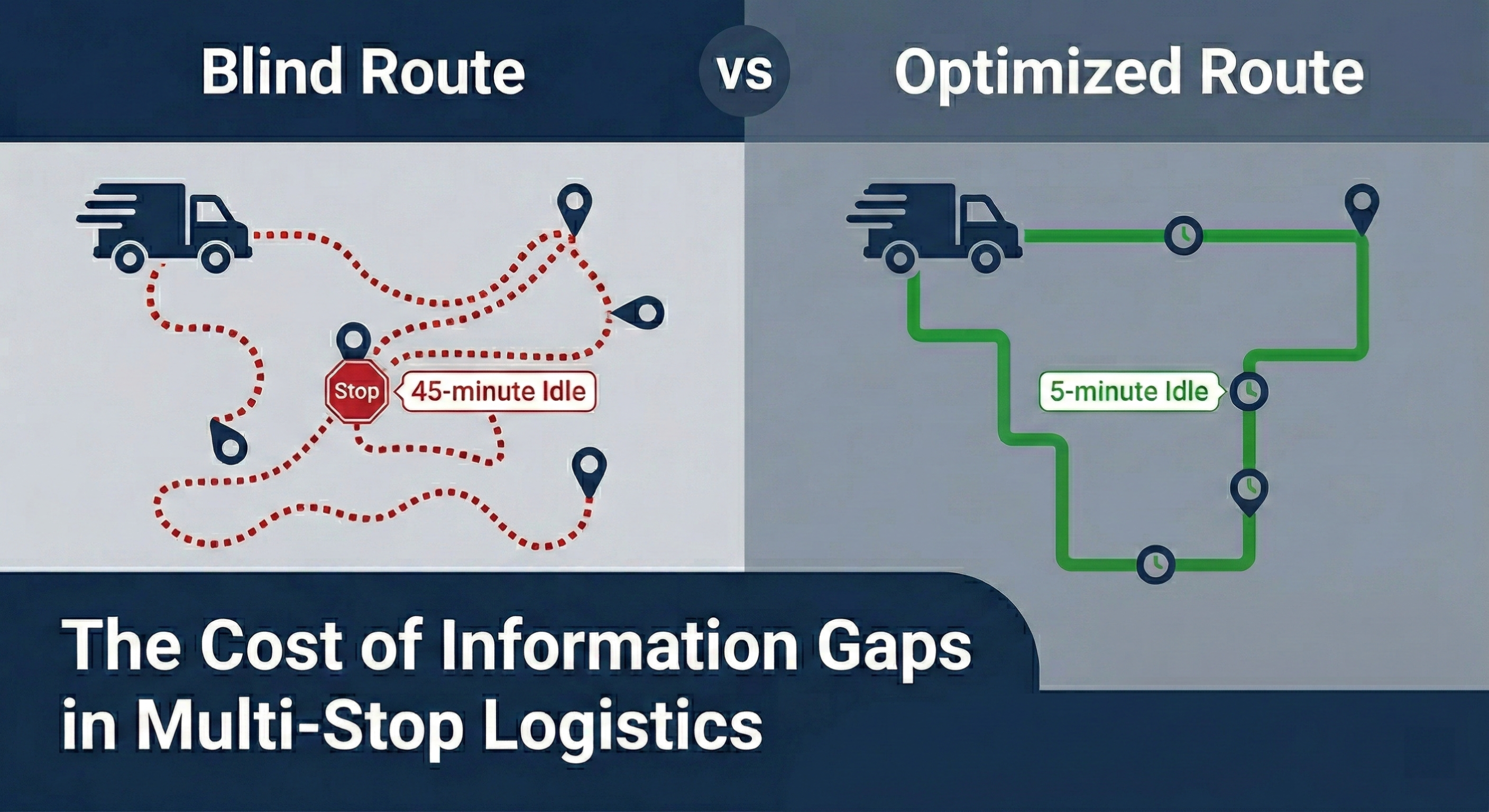
Why GPS tracking is key: if you manage a fleet involved in multi-stop deliveries, you know it is a high-stakes balancing act. When your driver has twenty drop-offs across a crowded metro area, every minute of idling or wrong turns compounds into a massive loss for your company.
You must realize that efficiency in logistics is not about driving faster.
It is about knowing exactly where every asset sits at any given moment. At Tracking the World, we see how precise data transforms a chaotic route into a streamlined operation. When you use GPS tracking for logistics companies, you get a level of oversight that manual logs simply cannot match.
The Technical Reality of Multi-Stop Complexity
In a standard long-haul route, a tracker pings occasionally to confirm the truck is on the highway. Multi-stop operations are much different. These routes require high-frequency updates because the “action” happens in the transitions between stops. If your device only pings every ten minutes, you might miss three different deliveries in a dense urban zone. This creates a data gap that makes it impossible to verify proof of presence or arrival times.
| Operational Metric | Technical Requirement | Value for Logistics |
| Ping Frequency | 10 to 30 Seconds | Essential for urban stop accuracy. |
| Battery Capacity | 5,000mAh to 12,000mAh | Supports high frequency draws without daily charging. |
| Geofencing | Polygonal Borders | Triggers alerts the instant a vehicle enters a loading dock. |
| Accelerometer | 3 Axis Sensing | Detects harsh braking or idling during long offloads. |
The key problem in this sector usually stems from fuel waste and missed windows. When a vehicle idles at a warehouse for forty minutes because the dispatcher did not know the dock was full, that is pure profit burning away. High-quality GPS tracking for logistics companies provides the visibility needed to reroute drivers before they get stuck in a bottleneck.
Why Hardware Choice Dictates Field Success
Reliability in logistics depends on the physical robustness of the tracker. Many providers offer cheap plastic units that fail the moment they face engine heat or heavy vibration. Our Enduro series is built for these exact rigors. It stays attached and keeps transmitting even when the environment is hostile.
For many firms, the best approach is a hardwired solution like the WT-OBD 4G. It pulls power directly from the vehicle (via the OBD II port).
This removes the human error factor of forgetting to charge a portable unit. If a driver leaves the yard with a dead tracker, your multi-stop visibility is gone. Hardwired units ensure the data stream never breaks. This is why GPS tracking for logistics companies has shifted toward permanent installations for core fleet assets.
Signs Your Current Route Management is Failing
- Delivery windows are consistently missed by more than fifteen minutes.
- Drivers report being “at the stop” while the software shows them two blocks away.
- Fuel costs are rising despite no increase in total mileage.
- Customers call frequently, asking for the location of their packages.
Optimizing the Last Mile with Real-Time Data
The “last mile” is often the most expensive part of the journey. It is where traffic, parking issues, and complex delivery instructions slow everything down. A logistics manager needs to see the “breadcrumb trail” in high-definition. If a driver takes a non-optimal path between stop four and stop five, you need to see it immediately.
Here is why this matters: small deviations add up. Five extra minutes per stop over twenty stops is nearly two hours of wasted labor per day. Across a fleet of ten trucks, you are losing twenty hours of productivity every single day. Professional GPS tracking for logistics companies pays for itself by reclaiming these lost hours. It allows dispatchers to coach drivers based on actual performance data rather than guesses.
More About Device Selection
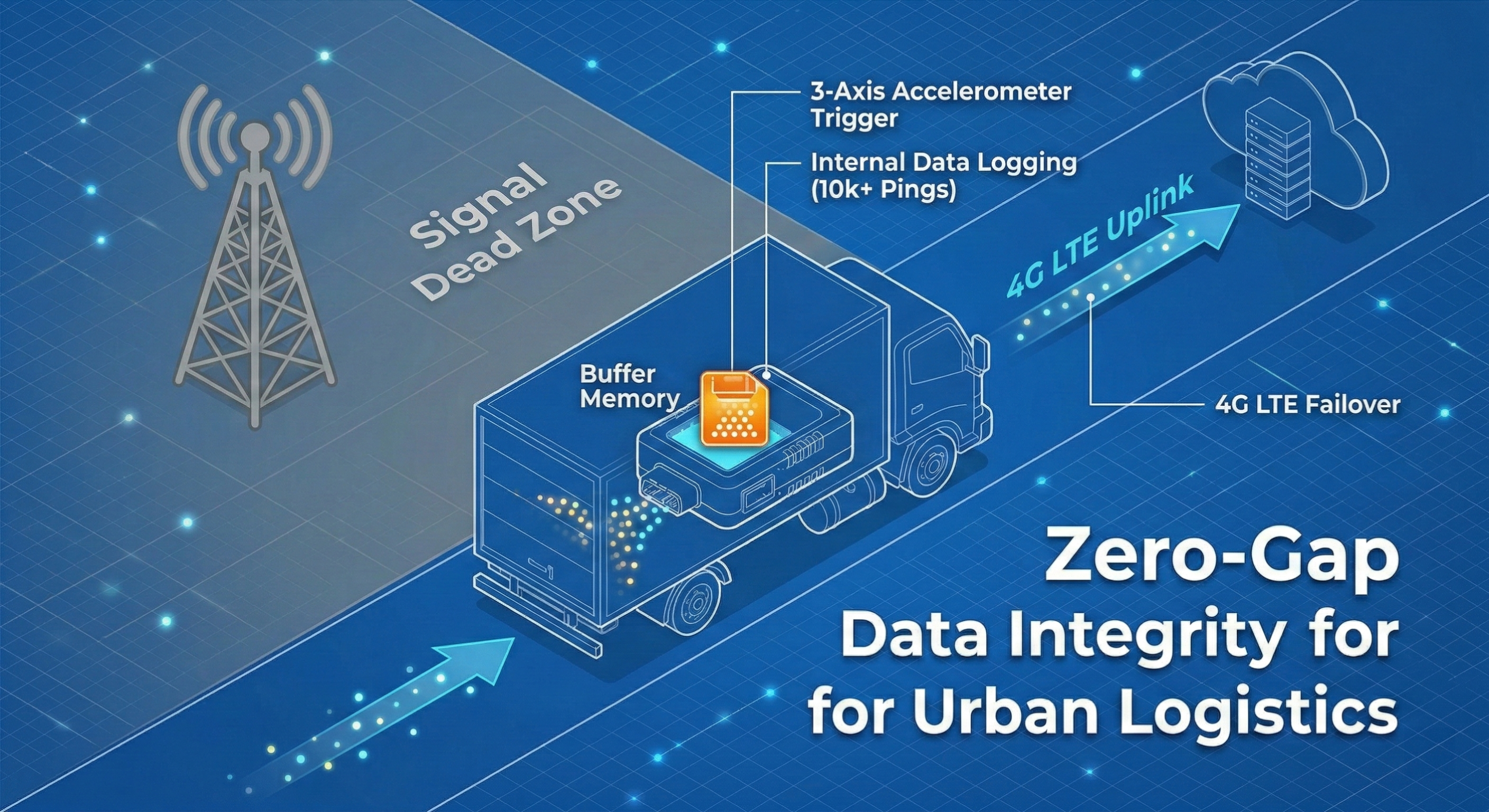
If your fleet operates in areas with poor cellular coverage, you need devices with internal memory. These units store the GPS coordinates when the signal drops and “dump” the data once they reconnect. This ensures your multi-stop history is complete. If you use a “live only” device without storage, those gaps in the map will haunt your reporting.
We also prioritize 4G LTE connectivity. As 2G and 3G networks continue to sunset, older hardware is becoming obsolete. Investing in 4G or 5G capable trackers is a prerequisite for any business looking to stay operational through the next decade. It is a technical tradeoff where higher upfront costs prevent a total system failure later.
Security and Asset Recovery
Multi-stop operations often involve high-value cargo sitting in a van that is frequently left unattended. While the driver is inside a building making a delivery, the vehicle is a target. Motion alerts and geofencing are the first line of defense. If the van moves without the engine being started, or if it leaves a designated route, the system triggers an immediate SOS.
This is the reality of the business. You are not just tracking a truck: you are protecting the inventory that keeps your clients happy. A lost van is a catastrophic event for a small logistics firm. Real-time tracking turns a potential theft into a quick recovery.
Frequently Asked Questions About Logistics Tracking
How does high-frequency pinging affect the data plan?
Frequent updates require more data transmission. Most GPS tracking uses optimized cellular protocols to keep these costs low. A device pinging every thirty seconds uses more data than one pinging hourly, but the overhead is negligible compared to the fuel savings. We offer tiered data plans that match your specific reporting needs so you never pay for more bandwidth than you actually use.
Can these trackers integrate with my existing dispatch software?
Yes. We design our hardware with open API capabilities. This means the location data can flow directly into the routing or management software you already use.
This eliminates the need to toggle between different screens during a busy shift. Consistency in data helps your dispatchers make faster calls when a route needs to change.
What happens if a vehicle enters a tunnel or a dense urban canyon?
GPS signals can struggle when the devices can’t “see” the sky. Our high-quality GPS tracking uses AGPS and LBS positioning to maintain a location lock. If you lose the signal entirely, the device stores the coordinates in its internal memory. Once the vehicle clears the obstruction, the tracker uploads the saved data to fill in the gaps on your map.
Are the portable units waterproof for external asset tracking?
We actually recommend specialized housings for extreme conditions. For trailers or containers that sit in the rain for weeks, we provide IP67 rated enclosures. These protect the delicate sensors and battery from moisture and dust. Choosing the right casing is just as important as choosing the right battery size for long-term field durability.
How We Support Your Fleet Goals
At Tracking the World, we do not just sell boxes. We provide the technical backbone for your entire mobile operation. Our software platform integrates with the hardware to give you a single pane of glass for your fleet. You can see the battery health, the signal strength, and the precise location of every asset on one screen.
We know the trade.
You need gear that works every time. This is regardless of the weather or the terrain. We ground our technical support team in the facts of the industry.
Stop letting your fleet operate in the dark. If you want to see exactly where your efficiency is leaking, it is time to upgrade your tech. We build our solutions for the heavy lifting of modern logistics. We help you turn data into a competitive advantage.
You can maximize your fleet’s potential and cut down on wasted miles today.
Do this by calling us at 650-692-8100 or reach out through our contact page to discuss the right hardware for your multi-stop needs. We are ready to help you get your operations back on track with precision.
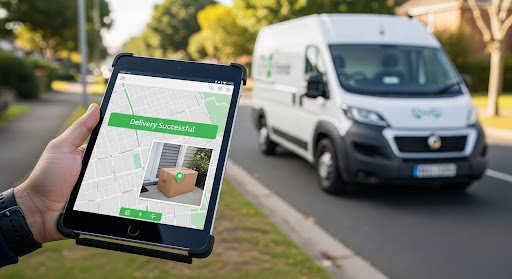
GPS Tracking for Delivery Drivers: Proof of Delivery Made Easy
Managing a fleet of vehicles requires precision, especially when customers expect real-time updates and undeniable proof that their packages arrived safely. The modern logistics landscape is competitive. Businesses must find ways to increase efficiency while maintaining high levels of trust. Implementing GPS tracking for delivery drivers is one of the most effective ways to streamline these operations. In this article, you will learn how satellite technology simplifies the proof of delivery process, reduces disputes, and keeps your customers happy.
The Role of Real-Time Data in Modern Logistics
The days of paper logs and manual check-ins are fading fast. Today, digital solutions provide a comprehensive view of where every driver is at any given moment. This visibility is not just about oversight; it is about providing a seamless experience for the end user. When a customer calls to ask about a package, your support team can provide an exact location rather than a vague window of time.
Using GPS tracking for delivery drivers allows managers to see the entire route history. This data confirms that a driver followed the designated path and arrived at the correct destination. By automating the time stamps and location pings, the system creates a digital paper trail that is nearly impossible to dispute. This level of transparency builds a bridge of trust between the service provider and the client.
How GPS Simplifies Proof of Delivery
Proof of Delivery (POD) used to mean a physical signature on a clipboard. While signatures are still valuable, they are no longer the only way to confirm a drop-off. Modern tracking systems integrate several features that make the process foolproof.
- Geofencing Alerts: You can set up virtual boundaries around delivery zones. When the vehicle enters or leaves these areas, the system automatically logs the event.
- Photo Verification: Drivers can take a photo of the package at the doorstep. The tracking software then attaches this image to the specific GPS coordinates and time.
- Automated Notifications: As soon as the driver hits complete on their mobile app, the system sends an email or text to the customer. This immediate feedback loop reduces the number of inquiry calls.
When you utilize GPS tracking for delivery drivers, you are essentially creating an automated audit log. This log serves as a single source of truth for both your company and your clients. If a customer claims they never received an item, you can quickly pull up the record showing the exact coordinates where the driver stopped.
Reducing Disputes and Protecting Your Bottom Line
Missing packages and not-received claims can cost a business thousands of dollars every year. Sometimes these are honest mistakes, such as a package being left at a side door instead of the front. Other times, they are fraudulent. Digital proof provides the evidence needed to resolve these issues quickly.
Because the software records the precise location of the vehicle during the delivery window, it protects the driver from false accusations. It also protects the company from paying out unnecessary refunds. This financial security is a major reason why many growing fleets prioritize GPS tracking for delivery drivers as a foundational tool.
Improving Driver Accountability and Safety
While proof of delivery is the primary focus, the benefits of tracking extend to the drivers themselves. When drivers know their progress is monitored, they are more likely to stay on schedule and follow safety protocols. High-quality systems can monitor for harsh braking, speeding, or excessive idling.
This data helps managers identify which team members are performing well and which might need additional training. Furthermore, in the event of an accident or a vehicle breakdown, the office knows exactly where to send assistance. Safety and accountability go hand in hand with efficiency.
Enhancing the Customer Experience
In a world dominated by rapid shipping, the customer experience is defined by information. People want to feel in control of their purchases. Providing a tracking link that shows a vehicle moving toward their home creates a sense of excitement and security.
Once the delivery is finished, receiving a digital receipt with a photo of the package provides ultimate peace of mind. This professional touch differentiates your business from smaller competitors who still rely on manual processes. Happy customers are repeat customers, and reliable delivery is the fastest way to earn their loyalty.
Integrating Tracking into Your Current Workflow
You might worry that adding new technology will be complicated for your staff. However, most modern platforms are designed with user-friendly interfaces. Drivers typically use a smartphone app that guides them through their route. The GPS runs in the background, so they can focus on driving safely rather than fidgeting with hardware.
For the office staff, the transition is equally smooth. Most tracking software integrates directly with existing dispatch or inventory management systems. This means you do not have to double-entry data. The information flows naturally from the warehouse to the truck and finally to the customer’s inbox.
Choosing the Right System for Your Fleet
Not all tracking solutions are created equal. When selecting a provider, look for features that specifically support proof of delivery. Look for high-frequency location updates, mobile app compatibility, and robust reporting tools.
Consider the following checklist:
- Does it offer real-time location updates?
- Can drivers upload photos and digital signatures?
- Is the interface easy for drivers to use on the go?
- Does the system provide historical route data for disputes?
Investing in a high-quality system ensures that your GPS tracking for delivery drivers provides a high return on investment through saved time and reduced losses.
The Bottom Line
Streamlining your delivery process is essential for long-term growth. By adopting digital tools, you move away from guesswork and toward data-driven decisions. Proof of delivery becomes a simple, automated part of the day rather than a logistical hurdle.
The combination of geofencing, photo evidence, and real-time location data ensures accounting for every package. This protects your revenue, empowers your drivers, and provides your customers with the transparent service they deserve. If you want to eliminate the headaches of lost packages and disputed deliveries, implementing a robust tracking system is the best place to start.
Ready to Streamline Your Fleet?
Stop losing time to delivery disputes and manual logs. With professional GPS tracking for delivery drivers from Tracking the World, you get instant proof of delivery and total fleet visibility. Protect your bottom line and impress your customers today. Contact us to learn more.
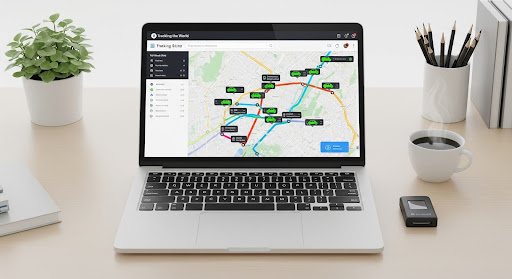


Fotorech / Pixabay
In today’s competitive business environment, fleet efficiency matters more than ever. Companies face rising fuel costs and tighter margins. They also face growing customer expectations. Because of this, fleet managers must find smarter solutions. One solution stands out: GPS tracking for fleet management.
Above all, GPS tracking helps fleets reduce fuel use and idle time. At the same time, it improves visibility and strengthens control. Most importantly, it protects profitability. As a result, more fleets now rely on GPS tracking to stay competitive.
Why Fuel Use and Idle Time Matter
Fuel is one of the largest fleet expenses. Even small increases hurt budgets. Likewise, excessive idle time wastes fuel. It also increases engine wear. Over time, these costs add up quickly.
In many fleets, idle time goes unnoticed. Drivers may idle during stops. Vehicles may idle during loading. Unfortunately, these habits drain fuel silently. Therefore, identifying idle time is critical.
At the same time, inefficient routes increase fuel consumption. Unplanned detours. Traffic delays. Poor scheduling. All of these issues raise costs. Without visibility, managers cannot fix them. That is where GPS tracking becomes essential.
What GPS Tracking Does for Fleet Management
GPS tracking provides real-time data. It shows vehicle locations, records movement, tracks stops, and measures idle time accurately.
As a result, fleet managers no longer rely on assumptions. Instead, they rely on facts. They see where fuel is wasted and identify inefficient behavior. Then, they take action.
Moreover, GPS tracking systems collect data automatically. There is no manual input. There is no guesswork. Everything is recorded and stored. This creates a strong foundation for improvement.
Reducing Idle Time with GPS Tracking
First and foremost, GPS tracking exposes idle time. It shows exactly when engines run without movement. It also shows how long idling lasts.
Because of this, fleet managers can set idle alerts. When a vehicle idles too long, the system sends a notification. Immediately, managers can respond. Drivers can adjust behavior.
In addition, reports show idle patterns. Managers see which vehicles idle most. They see which locations cause delays. Over time, these insights lead to smarter decisions.
As a result, fleets reduce unnecessary idling. Fuel use drops and engine wear decreases. Maintenance costs fall.
Just as importantly, drivers become more aware. When behavior is visible, habits change. Accountability improves. Efficiency follows.
Cutting Fuel Use Through Smarter Routing
Beyond idle time, routing plays a major role in fuel consumption. Poor routes waste fuel. Traffic congestion burns gas. Longer distances increase costs.
GPS tracking solves this problem. It provides route data, highlights inefficient paths, and also reveals delays.
With this information, fleet managers optimize routes. They choose faster paths, avoid congestion, and reduce unnecessary miles.
Furthermore, real-time tracking allows quick adjustments. If traffic builds, routes change. If a road closes, drivers reroute. Therefore, fuel waste is minimized.
Over time, these improvements make a major difference. Even small fuel savings per vehicle add up across a fleet. Ultimately, profitability improves.
Improving Driver Behavior to Save Fuel
Driver behavior directly impacts fuel use. Speeding burns fuel. Harsh acceleration wastes gas. Excessive braking lowers efficiency.
GPS tracking monitors these behaviors. It records speed, tracks acceleration, and identifies risky habits.
Because of this, managers gain valuable insights. They see which drivers need coaching. They identify best practices. Then, they provide guidance.
In turn, drivers improve. They drive more smoothly, idle less, and follow optimized routes. As a result, fuel efficiency increases.
Additionally, safer driving reduces accidents. This lowers repair costs and protects vehicles. Therefore, GPS tracking delivers both safety and savings.
Using Data to Drive Long-Term Fuel Savings
Data is the key to lasting improvement. GPS tracking systems generate detailed reports. These reports show trends and highlight opportunities.
For example, managers can compare fuel use before and after changes. They can track idle time reduction. They can measure route improvements.
With this data, decisions become strategic. Instead of reacting, managers plan. They set goals. They monitor progress.
Moreover, data supports accountability. Performance becomes measurable. Improvements become visible. As a result, efficiency continues to grow.
Lower Maintenance Costs Through Reduced Idling
Idle time does more than waste fuel. It damages engines. It increases maintenance needs. Over time, it shortens vehicle life.
By reducing idle time, GPS tracking protects equipment. Engines run less and components last longer. Maintenance schedules stabilize.
In addition, fewer breakdowns occur. Vehicles spend more time on the road and downtime decreases.
Consequently, fleets save money beyond fuel. They reduce repair costs. They extend asset life. These savings strengthen long-term performance.
Environmental Benefits of Reduced Fuel Use
Fuel efficiency is not only a financial issue. It is also an environmental one. When fuel use decreases, emissions drop. At the same time, reduced idling lowers pollution.
Because of this, GPS tracking strongly supports sustainability goals. As a result, fleets operate cleaner. Over time, carbon footprints shrink. In addition, compliance becomes easier.
As regulations continue to tighten, this advantage matters even more. Consequently, environmentally responsible fleets gain credibility. Not only do they meet standards, but they also protect their reputation.
Therefore, GPS tracking delivers value beyond the balance sheet.
Easy Adoption for Any Fleet Size
Many fleet managers worry about complexity. They fear difficult installations and expect disruptions.
However, modern GPS tracking systems are simple. Devices install quickly. Software is cloud-based. Dashboards are intuitive.
As a result, adoption is smooth. Training is minimal and value appears fast.
Additionally, solutions scale easily. Small fleets grow. Mid-size fleets expand. The system adapts without issue.
Because of this flexibility, GPS tracking works for any fleet size.
Choosing the Right GPS Tracking Solution
Not all GPS tracking systems are equal. Therefore, choosing the right one matters.
First, look for idle tracking and fuel reports. These features are essential. Second, ensure real-time tracking is included. Third, choose customizable alerts.
Also, consider ease of use. Simple dashboards save time. Mobile access improves responsiveness.
Finally, evaluate customer support. Reliable service ensures long-term success.
With the right solution, fuel savings begin immediately.
The Financial Impact of Cutting Fuel and Idle Time
Fuel savings improve margins. Reduced idle time lowers expenses. Maintenance savings compound benefits.
Over time, GPS tracking pays for itself. In many cases, it delivers a fast return on investment.
Moreover, improved efficiency supports growth. Fleets handle more jobs and meet deadlines. They satisfy customers.
Ultimately, cutting fuel use strengthens the business.
Final Thoughts
In conclusion, GPS tracking for fleet management is a powerful tool. It reduces fuel use, cuts idle time, and improves efficiency.
Through real-time visibility, smarter routing, and better driver behavior, fleets gain control. Costs drop. Performance rises.
For fleets facing rising fuel expenses, GPS tracking offers a clear solution. It delivers measurable results. It supports long-term success.
Above all, GPS tracking is not just technology. It is a strategy that turns data into savings and transforms fleet management.
For any fleet focused on efficiency, the path forward is clear. GPS tracking makes the difference.


Photo by Chris Cordes on Unsplash https://unsplash.com/photos/man-in-gray-shirt-holding-black-tablet-computer-B296qZ-Yihw
In today’s fast-paced business world, companies must stay ahead. To do so, they must be efficient. They must also be smart. For small to mid-size fleets, this clearly means adopting modern technology. Above all else, GPS fleet tracking software stands out. It offers real-time insights. At the same time, it boosts productivity and drives profit. Most importantly, it levels the playing field. As a result, small and mid-size fleets can now compete with large operations. In turn, they gain powerful tools once only available to big players. Ultimately, GPS fleet tracking is no longer optional. These days, it is essential.
Why GPS Fleet Tracking Software Matters
First, GPS fleet tracking gives visibility. Specifically, it shows where every vehicle is. It also updates instantly. Because of this, managers no longer have to guess. Instead, they can know. In addition, they can track speed, routes, stops, and idle time. As a result, they consistently make better decisions, and this clarity drives efficiency.
Second, customers now expect faster service. In particular, they want accurate arrival times. They also want timely updates. With GPS tracking, companies can deliver on these expectations. Consequently, they can reduce delays. At the same time, they can increase satisfaction. Hence, customer loyalty grows over time.
Moreover, GPS fleet tracking cuts costs. In many cases, it reveals hidden inefficiencies. For example, it exposes unnecessary idling and highlights poor routing. It also shows unsafe driving. Once these issues are visible, they can be corrected quickly. Thus, fuel savings increase and maintenance costs drop.
Tailored for Small and Mid-Size Fleets
For years, large fleets have used fleet management tools. Now, however, software providers build versions specifically for smaller operations. These solutions are easy to use and affordable. They are also scalable. Best of all, they meet the unique needs of small and mid-size fleets.
For example, many small fleets do not have IT teams. GPS tracking systems now offer cloud-based platforms. These platforms require no servers or complex setup. Instead, managers access data through simple dashboards. Because of this, ease of use becomes vital. It saves time. It also reduces frustration.
In addition, pricing models now fit smaller budgets. Today, many vendors offer flexible subscription plans. As a result, companies pay only for what they use. There are no large upfront costs. Thus, small fleets gain access without financial strain.
Real-Time Tracking: The Heart of the System
Above all, real-time tracking remains the core benefit. Managers see live locations at any moment. They also watch movements as they happen. Because of this capability, response times improve. Routing becomes more efficient and enables rapid decisions.
For instance, if a vehicle encounters traffic, managers can quickly reroute others. Similarly, if there is a service delay, staff can update customers immediately. Therefore, communication improves across the board.
Moreover, real-time alerts keep managers informed at all times. Alerts notify about speeding and warn of unauthorized vehicle use. Additionally, alerts monitor vehicle health issues. Consequently, fleets remain safer and more compliant.
Boosting Productivity and Efficiency
GPS fleet tracking software does more than track locations. In fact, it transforms operations. First, it optimizes routes. Instead of guessing the best path, the software suggests the most efficient one. As a result, these suggestions save both time and fuel.
Second, it reduces idle time. Drivers become more aware of their behavior. This means they avoid wasting gas. Idle engines cost money. Tracking software makes this clear. Consequently, drivers improve their habits.
Third, scheduling becomes smarter. Managers can see which vehicles are free and they assign jobs faster. At the same time, they reduce downtime.
Importantly, small and mid-size fleets often wear many hats. Therefore, tools that streamline tasks truly matter. GPS tracking simplifies daily work. In doing so, it takes complexity off the table.
Enhancing Safety and Compliance
Safety is essential. Every fleet worries about accidents. Likewise, every company wants to protect its drivers. In this area, GPS tracking plays a strong role.
First, it monitors driver behavior. It shows speeding, harsh braking, and rapid acceleration. These signals clearly point to unsafe habits. Once visible, managers can coach drivers. As a result, performance improves. Over time, accidents decrease.
Second, GPS tracking helps with compliance. Many fleets must meet regulatory standards. They must keep logs. They must prove hours of service. Fortunately, software records data automatically. This reduces paperwork and reduces errors. Ultimately, it improves compliance.
Third, alerts help enforce rules. If a driver breaks a safety threshold, managers are notified immediately. They can then act quickly. As a result, this proactive approach lowers risk.
Reducing Costs and Driving Profit
Every small and mid-size fleet closely watches the bottom line. Expenses and profit matters. GPS fleet tracking drives savings in many areas.
Fuel is a major cost. By optimizing routes and reducing idle time, fuel use drops. While the savings may seem small at first, they add up fast. Over time, fuel cost reductions significantly improve profitability.
Maintenance is another major cost center. GPS tracking predicts issues early. Sensors can detect engine problems. Alerts signal needed maintenance. As a result, fleets avoid costly breakdowns. Scheduled maintenance also preserves vehicle life. In turn, this saves money.
Insurance costs also decrease. Many insurers reward safer fleets. Therefore, they lower premiums for fleets that use tracking software. In addition, GPS data supports claims. It shows facts clearly and disputes resolve faster.
Finally, improved customer service drives revenue. On-time deliveries improve repeat business. Satisfied customers refer others. As a result, growth follows.
Data-Driven Decisions
Data is power. GPS fleet tracking produces data. In fact, it produces a lot of it. But raw data alone is useless. Instead, the real value lies in insights. Thankfully, modern systems turn data into clear reports.
These reports show patterns. They also reveal trends. Managers learn which routes work best. They see which drivers excel. They identify where costs hide.
With this knowledge, decisions become smarter. Rather than reacting to problems, companies anticipate them. As a result, they plan better. They also forecast with confidence.
Furthermore, data supports strategic growth. Small fleets can scale confidently. Mid-size fleets can expand efficiently. All of this happens with informed decisions.
Easy Implementation and Support
Many fleet managers fear new technology. Often, they worry about disruptions. Yet, leading GPS tracking solutions remove these barriers.
First, installation is quick. Hardware arrives ready to use. Plug-and-play devices go in within minutes. There is no downtime. There are no headaches.
Second, training is simple. The software is intuitive. Most users learn quickly. In addition, vendors provide guides and videos. Support teams are also ready to help.
Third, updates happen automatically. Cloud-based systems receive improvements behind the scenes. As a result, users benefit without effort.
Together, these features make adoption painless. Small and mid-size fleets can implement fast. Consequently, they start gaining value right away.
Choosing the Right GPS Fleet Tracking Software
Not all solutions are the same. Careful selection matters. Small and mid-size fleets should evaluate several key factors.
First, consider cost. Choose a solution that fits the budget. Look at monthly fees and hidden costs. Above all, avoid surprises.
Second, review features. Look for real-time tracking, alerts, reporting, and mobile access. Make sure the system meets operational needs.
Third, think about scalability. The software should grow with the fleet. It should add users and vehicles with ease.
Fourth, evaluate support. Vendors that offer strong customer service make a real difference. Reliable support ensures smooth operation.
Lastly, reviews and reputation matter. Successful fleets share their experiences. Listen to them. Learn from them.
The Future of Fleet Management
GPS fleet tracking is not static. Instead, it continues evolving. Soon, integration with AI and machine learning will be common. Predictive analytics will suggest even better routes. Sensors will provide deeper vehicle health data. Driver coaching will also become more automated.
For small and mid-size fleets, this future is especially exciting. These advancements will deliver greater efficiency. They will lower costs. They will enhance safety. Most importantly, they will support growth.
The message is clear. GPS fleet tracking software is no longer a luxury. Rather, it is a strategic asset. It turns data into action, empowers managers, and strengthens fleets.
Final Thoughts
In conclusion, GPS fleet tracking software offers transformative value to small and mid-size fleets. It delivers visibility, efficiency, safety, and cost savings. At the same time, it simplifies operations. It enhances customer service. It also supports smart decision-making. Moreover, it empowers fleets to grow and compete.
For any fleet aiming to improve performance, investing in GPS tracking is a smart choice. It drives measurable results. It delivers real impact. Above all, it positions fleets for success in a competitive market.
Ultimately, adopting GPS fleet tracking software is not just a technological upgrade. It is a business advantage.


How Do GPS Tracking Devices for Cars Improve Security and Monitor Performance? Vehicle owners face many growing challenges today. Theft rates are rising quickly in many areas. Maintenance costs continue to climb as well. However, modern technology offers a robust solution to these common problems. You can protect your investment and optimize vehicle performance with the right tools. Use advanced hardware to gain the upper hand. These tools do much more than send simple location pings. They give a comprehensive overview of your car’s health and security.
GPS tracking devices for cars now have features like geofencing alerts. They also offer driver behavior analysis and detailed trip history logs. These features are invaluable for both personal use and professional fleet management. This guide will show you how these devices offer total peace of mind. Specifically, they achieve this through enhanced security and real-time data monitoring.
Strengthening Vehicle Security with Real-Time Alerts
The primary reason many people invest in a tracking system is to prevent theft. Traditional car alarms are often ignored by passersby in busy areas. In contrast, a digital tracking solution provides a direct line of communication to your smartphone. If someone attempts to move your vehicle without your permission, you receive an instant notification.
This immediate alert gives you the power to act quickly. Consequently, you can contact the authorities right away. This step dramatically increases the chances of a successful recovery. It turns a stressful situation into a manageable one. You are no longer a passive victim because you have live data in your hand.
Geofencing for Instant Protection
Geofencing is another highly effective security feature for modern owners. This technology enables you to establish a virtual boundary around a specific area. For instance, you might set this around your home, your workplace, or a storage facility. Should the vehicle move across this boundary, the system will trigger an alert immediately.
This is especially helpful for identifying unauthorized vehicle usage during late-night hours. This function provides a proactive level of security. It notifies you the exact moment a perimeter is breached. For example, you will receive an instant notification if a teenager drives the car after a set curfew. You will also know if a company hitches the car for towing while you are away. This immediate awareness allows you to respond quickly. Therefore, geofencing is an essential instrument for vehicle owners focused on security and monitoring.
Rapid Theft Recovery
In the unfortunate event that a car is stolen, time is the most critical factor. Many GPS tracking devices for cars offer high-precision location data. You can share this information directly with law enforcement officers. Instead of guessing where the vehicle might be, you can provide an exact GPS coordinate. This significantly increases the chances of a successful recovery by the police. It also reduces the risk of high-speed chases. This is because the police can track the car quietly from a distance.
Monitoring Performance for Longevity and Safety
Beyond security, these devices serve as a digital health monitor for your car. By connecting to the vehicle’s internal systems, a tracker can gather data. This helps you avoid costly repairs and stay safe on the road. You can see how your car is being treated even when you are not the one behind the wheel.
Tracking Driver Behavior
For parents of teen drivers or business owners with a small fleet, monitoring behavior is essential. You can track various metrics such as:
-
Excessive speeding over set limits
-
Harsh braking or rapid acceleration
-
Long periods of engine idling
By reviewing this data, you can encourage much safer driving habits. Better driving does not just prevent accidents. It also reduces wear and tear on the engine and brakes. Thus, you save a lot of money in the long run.
Maintenance and Diagnostic Alerts
Some specialized hardware plugs directly into the vehicle’s diagnostic port. People often call this the OBD2 port. This allows the device to read engine codes. It can alert you to potential mechanical issues before they turn into major breakdowns. Knowing that your vehicle needs service before a warning light even appears is a massive advantage. It allows you to schedule repairs on your own terms.
Cost Savings and Efficiency
Using GPS tracking devices for cars often leads to unexpected financial benefits. Many insurance companies offer discounts for vehicles with active tracking systems. They do this because the risk of permanent loss is much lower. This reduced risk translates directly into savings on your monthly or yearly premium.
Additionally, you can significantly reduce your monthly gas expenses by monitoring fuel consumption. You can also optimize your routes to avoid traffic or long detours. A GPS device offers real-time data which allows for smarter driving habits. Less wasted fuel further boosts your overall savings.
If you are a business owner, these devices allow smarter fleet tracking. You can see exactly where every asset is at any given moment. This ensures that your team remains productive. It also helps them follow the most efficient paths during their shifts.
Choosing the Right Hardware for Your Needs
Not all trackers are created equal. Depending on your goals, you might prefer a portable tracker. These can be moved easily between different vehicles. On the other hand, you might want a hardwired unit for permanent security. For example, some versatile options are famous for their long battery life and water resistance. This makes them ideal for various weather conditions and environments.
When you are selecting a device, consider the following points:
-
Battery Life: Do you need a device that lasts months on a single charge?
-
Update Frequency: Does the device report every few seconds or every few minutes?
-
Ease of Installation: Are you looking for a plug and play device or something more covert?
The Future of Vehicle Intelligence
As technology continues to evolve, GPS tracking devices for cars are becoming even more integrated. They now use fast cellular networks for better coverage. This means faster response times and more accurate data than ever before. Whether you are protecting a classic car or managing a delivery service, the transparency is invaluable.
These advanced systems offer real-time insights into vehicle location and diagnostics. This significantly enhances operational efficiency and driver accountability. They are essential tools for modern vehicle management. By investing in high-quality tracking software, you gain a comprehensive view of your vehicle’s status.
You no longer have to wonder about your car’s location or its mechanical health. Instead, you have the data you need to make informed decisions. This keeps your vehicle on the road for many years to come.
Secure Your Vehicle Today
Are you ready to enhance your car’s security and performance? Tracking the World provides professional-grade GPS tracking solutions. These are tailored to your specific needs. Whether you are concerned about personal safety or managing a large fleet, our devices deliver the reliability you deserve. We focus on providing real-time data that you can actually use.
Contact us today to explore our full range of innovative tracking technology. Our team can help you find the perfect match for your car or truck. Do not wait until a theft happens to think about security. Take a proactive step toward protecting your property and your peace of mind right now.
Contact Us Today to find the perfect tracking solution for your vehicle.


Mohamed_hassan / Pixabay
GPS tracking solutions now do much more than show locations. They act as core operational systems for modern businesses. These platforms connect vehicles, equipment, assets, and personnel to centralized software. Most solutions use telematics and fleet-management tools. They give real-time visibility, reduce inefficiencies, and support better decisions. Industries such as transportation, logistics, construction, field services, and the public sector rely on GPS tracking to operate at scale.
What GPS Tracking Means for Businesses
A GPS tracking solution combines hardware, connectivity, and cloud-based software. It continuously collects and analyzes location and sensor data from mobile assets. Modern systems do not simply display maps. They convert raw data into insights that guide dispatching, maintenance, safety, and compliance. When used strategically, GPS tracking helps control costs, improve service, and reduce risk.
Core Components of GPS Tracking Solutions
Modern GPS tracking platforms include three integrated layers. The first layer is hardware and sensors. These devices are installed in vehicles or attached to assets. Examples include OBD‑II devices, hardwired trackers, battery-powered asset trackers, and IoT sensors. They collect data such as location, speed, ignition status, mileage, fuel use, engine health, and environmental conditions.
The second layer is connectivity. Most systems use cellular networks such as 4G/LTE, LTE‑M or NB‑IoT. Satellite connectivity supports remote operations. Reliable data transfer ensures accurate and timely information.
The third layer is cloud-based software and analytics. This layer includes dashboards, live maps, alerts, reports, route optimization, and geofencing. APIs allow integration with ERP, CRM, dispatch, and maintenance systems. Together, these layers turn location data into actionable intelligence.
How GPS Tracking Improves Operations
GPS tracking improves operations by increasing visibility. Managers can see asset locations and availability in real time. This visibility supports faster dispatching, fewer unnecessary miles, and more accurate arrival times. Over time, organizations improve asset use and service consistency.
GPS tracking also helps reduce fuel and operating costs. By analyzing telematics data, organizations can identify inefficient driving behaviors such as excessive idling, speeding, and poor routing. As a result, managers can coach drivers and adjust routes. Even small improvements can generate significant savings across large fleets.
In addition, safety and liability management improve. For example, driver behavior data supports coaching and incident reviews. This approach helps reduce accidents, lower insurance costs, and strengthen accountability. At the same time, detailed records protect organizations against false claims.
Another key benefit is predictive maintenance. By combining GPS data with engine diagnostics and mileage, organizations can plan maintenance more effectively. Consequently, they reduce breakdowns, limit downtime, and extend asset life. Overall, this leads to higher availability and lower ownership costs.
Asset security and utilization also improve. Through geofencing and real-time alerts, organizations can prevent theft and recover assets faster. Meanwhile, utilization reports reveal underused assets. This insight allows organizations to reallocate resources, reduce fleet size, or delay new purchases.
Finally, GPS tracking simplifies compliance. Automated logs, inspections, and reports reduce paperwork and minimize errors. As a result, organizations remain audit-ready without disrupting daily operations.
Features That Deliver Business Value
High-value GPS tracking features align with operational goals. Real-time tracking and trip history support dispatch and analysis. Geofencing and alerts enable proactive management. Route optimization and ETA tools reduce mileage and improve customer experience.
Driver scoring and coaching tools support safety and fuel efficiency. Maintenance tools reduce unplanned downtime. Open APIs prevent data silos by enabling system integration. Scalability, flexible hardware and strong data security support long-term use.
Measuring Return on Investment
Organizations should define clear metrics before deployment. Baseline measurements help track improvement. Common KPIs include fuel cost per mile, response time, asset utilization, maintenance cost, downtime, accident rates, and administrative hours.
When tracked consistently, these metrics show how GPS tracking offsets its cost. Many organizations see positive returns within months. Savings often come from fuel reduction, fewer accidents, and less administrative effort.
Implementation Best Practices
Successful deployment requires clear goals. Objectives should link to measurable outcomes. Pilot programs allow teams to refine workflows before scaling.
System integration is essential. GPS data should connect to dispatch, maintenance and customer systems. Employee engagement also matters. Positioning GPS tracking as a safety and performance tool improves adoption. Over time, automation should replace manual processes.
Industries That Benefit Most
GPS tracking benefits many organizations with mobile assets. It delivers strong value in transportation and logistics, construction, equipment rental, field services, utilities, public fleets and food distribution. Industry-specific features increase control and speed adoption.
GPS Tracking as a Strategic Asset
GPS tracking is no longer just a location tool. When combined with analytics, integrations and change management, it becomes a strategic asset. Organizations gain lower costs, improved safety, better asset use, and higher service quality. For businesses seeking efficiency and accountability, GPS tracking is a proven and scalable investment.
Future Trends in GPS Tracking Technology
GPS tracking solutions continue to evolve as technology advances. Artificial intelligence and machine learning are increasingly embedded in telematics platforms. These tools analyze large volumes of historical and real-time data to identify patterns that humans may miss. As a result, organizations can receive smarter recommendations for routing, maintenance, and risk reduction.
Automation is another growing trend. Modern systems can trigger workflows automatically based on predefined rules. For example, maintenance tickets can open when mileage thresholds are reached. Alerts can notify managers when assets enter or leave job sites. Automated actions reduce manual effort and improve response times.
The expansion of Internet of Things (IoT) sensors is also shaping the future of GPS tracking. Beyond basic location data, these sensors now capture information such as temperature, humidity, vibration, and cargo status. As a result, these capabilities are especially valuable for industries like food distribution, pharmaceuticals, and construction. Overall, businesses gain deeper visibility into asset conditions, not just their movement.
Electric vehicle fleet management is becoming a critical focus area. As organizations adopt electric vehicles, GPS tracking platforms are adapting to monitor battery health, charging behavior, and energy consumption. These insights help fleets optimize charging schedules and avoid operational disruptions.
In addition, data security and privacy are also receiving increased attention. Enterprise-grade GPS solutions now include stronger encryption, role-based access controls, and compliance with global data protection standards. These measures ensure that sensitive operational data remains protected.
Looking ahead, GPS tracking will play an even larger role in strategic planning. Over time, long-term trend analysis will support capacity planning, network design, and sustainability initiatives. As a result, organizations that invest in modern GPS tracking solutions today will be better positioned to adapt, scale, and compete in increasingly complex operational environments.

If you’re at all involved in business today, you know that timing really matters. Customers expect packages, meals, and products to arrive quickly and on schedule. Businesses that rely on fleets or individual drivers must find ways to meet these demands without increasing costs or overburdening employees. That’s where GPS tracking for delivery drivers comes into play. By combining location accuracy with route optimization, GPS technology has transformed how drivers navigate, businesses manage fleets, and customers experience deliveries.
Tracking the World offers a wide variety of GPS tracking solutions to meet your needs. In this guide, we dive deeper into the benefits of such systems for delivery drivers specifically. Keep reading to learn more.
Delivery Logistics
Not long ago, delivery planning depended heavily on paper maps, driver experience, and rough time estimates. While seasoned drivers often knew shortcuts, unexpected traffic, accidents, or construction could throw entire schedules off-course. Today, GPS tracking systems integrate real-time data, making it possible to adjust routes on the fly, cut down wasted miles, and ensure drivers consistently meet deadlines.
The technology has grown beyond simple turn-by-turn directions. And thanks to the 2020 pandemic, many businesses were thrown into adapting to such needs. Modern GPS platforms analyze traffic conditions, monitor driver behavior, and even provide predictive insights for more efficient scheduling. For delivery-based businesses, this evolution has made the difference between staying competitive and falling behind.
Why Route Optimization Matters
Delivery operations are built on efficiency. Every extra mile adds fuel costs, vehicle wear, and payroll hours. Multiply those expenses across dozens of drivers and hundreds of daily stops, and the impact is significant.
By using GPS tracking, companies can:
- Reduce Idle Time: Real-time updates help drivers avoid traffic jams and bottlenecks
- Save Fuel: Fewer detours and optimized routes translate into better fuel efficiency
- Handle More Stops Per Day: Smarter routing enables drivers to complete more deliveries in less time
- Lower Stress for Drivers: With less guesswork, drivers can focus on safety and punctuality
Efficient routes don’t just benefit the business in question. They will also lead to happier customers who receive their orders on time.
Real-Time Adjustments in the Field
One of the biggest advantages of GPS tracking is its ability to adapt to changing conditions. A delivery schedule created at 8 a.m. may not make sense by 2 p.m. if a traffic accident shuts down a highway or a storm slows travel times. With GPS tracking, dispatchers can reroute drivers instantly, ensuring deliveries still arrive as close to on-time as possible.
For drivers, this means less time sitting in congestion and more time completing actual deliveries. For businesses, it means fewer late deliveries, which improves customer satisfaction and reduces costly refunds or complaints.
Data-Driven Decision-Making

Photo by Campaign Creators on Unsplash
Beyond helping drivers on the road, GPS tracking provides valuable data that businesses can use to improve long-term efficiency. Analytics from GPS systems often reveal patterns that would otherwise go unnoticed.
For example, managers can review:
- Which routes consistently take longer than expected
- Where drivers encounter repeated delays
- How much time is lost at certain stops
- The average distance traveled per day compared to the optimal route
By identifying these trends, companies can make informed decisions, whether that means adjusting delivery zones, altering schedules, or even relocating distribution hubs.
Safety Benefits for Drivers
While route optimization is the primary focus, GPS tracking also plays a role in safety. Systems can monitor speed, harsh braking, or other risky driving behaviors. Addressing these issues not only protects drivers but also reduces liability for businesses.
In the event of an emergency, GPS location data allows quick response times. If a vehicle breaks down or a driver encounters unsafe conditions, dispatchers can send help immediately. This combination of oversight and support contributes to a safer, more reliable delivery network.
Customer Experience and Transparency
Modern consumers expect visibility. Just as ride-sharing apps allow riders to track their driver in real time, many delivery services now offer customers the ability to see where their package is and when it will arrive.
GPS tracking makes this possible. Providing customers with accurate ETAs and real-time updates builds trust and reduces the frustration of waiting. For businesses, fewer customer service calls asking, “Where’s my order?” means more resources can be focused on growth rather than damage control.
Cost Savings That Add Up
While implementing GPS tracking requires an initial investment, the long-term savings are substantial. Lower fuel expenses, reduced overtime, and fewer missed deliveries quickly offset the cost. In addition, optimized routes decrease wear and tear on vehicles, reducing maintenance costs. For businesses managing large fleets, even small efficiency gains can add up to thousands of dollars saved each month.
The Role of GPS in a Competitive Market
The delivery industry is more competitive than ever. From e-commerce giants to local courier services, customers have no shortage of options. Businesses that fail to meet expectations risk losing customers to competitors who can deliver faster and more reliably.
GPS tracking isn’t just a convenience anymore. It’s becoming an industry standard. Companies that adopt it can streamline operations, enhance safety, and provide the kind of transparency customers demand. Those who don’t may struggle to keep pace.
Looking Ahead: The Future of GPS Tracking
Technology continues to advance, and GPS systems are evolving alongside it. Integration with artificial intelligence and machine learning is making route optimization even smarter. Predictive analytics may soon allow businesses to anticipate traffic patterns hours in advance, while integration with smart city infrastructure could lead to seamless, automated rerouting.
For drivers and businesses alike, the future promises even greater efficiency, lower costs, and stronger customer relationships. GPS tracking is a cornerstone tool of modern delivery logistics.
Get GPS Tracking for Delivery Drivers with Tracking the World
When efficiency, safety, and customer satisfaction all depend on timely deliveries, the value of GPS tracking for delivery drivers is clear. From reducing fuel costs and improving safety to giving customers accurate delivery updates, GPS technology makes route optimization a powerful tool for any business.
If you’re ready to improve operations and keep your drivers on the most efficient routes possible, consider solutions from Tracking the World. Our GPS tracking technology helps businesses of all sizes optimize deliveries, reduce costs, and keep customers happy. Check out the options today.

School bus transportation is more than just routine logistics. This is one of the most critical components of child safety and community confidence. Ensuring that safety is a big responsibility and there are so many things that can go wrong. Today, school bus GPS systems are no longer an optional luxury. They have become a necessity for ensuring that every student arrives safely, on time, and accounted for.
If you’re evaluating solutions for a school bus tracking system, options like Tracking the World’s iFleetSBSM platform combine GPS, RFID attendance, temperature monitoring, and route tools. For decision makers, understanding the true value of these systems matters. Let’s explore how and why GPS tracking makes a difference in school transportation.
Real-Time Location Tracking: Transparency You Can See
Imagine being able to pinpoint the exact location of a bus at any moment. We’re not talking about guessing based on clock time, but seeing it live on a map. Real-time GPS tracking does precisely that, empowering transportation staff, administrators, and parents with visibility at all times.
- Parents gain peace of mind, knowing exactly when the bus is approaching and when children disembark. This prevents long waits and unexpected delays
- Administrators can act quickly when a bus detours or pauses unexpectedly, which is critical when handling situations like traffic disruption or emergencies
Solutions such as iFleetSBSM include mobile apps for on-the-go access, enabling quick and informed decision-making.
Route Optimization: Efficiency Means Safety
GPS tracking is a strategic improvement that does so much more than just share a location. By analyzing GPS data over time, schools can optimize routes to:
- Reduce travel time and fuel consumption
- Avoid dangerous or traffic-prone areas
- Lower overall operating costs
Studies show that analyzing route performance helps adjust bus schedules for maximum operational efficiency while maintaining punctuality.
Driver Behavior Monitoring: Accountability in Motion
GPS systems do much more than track buses. They also monitor driver behavior:
- Speeding, hard braking, and unauthorized route deviation can be flagged
- Administrators gain data-driven insights into driver routines
- Safe behavior can be rewarded; risky habits can trigger retraining
iFleetSBSM includes driver-scoring tools based on real-time telemetry. Across transportation providers, monitoring driver actions promotes accountability and enhances student safety.
Student Attendance & RFID Integration: Know Who Is On Board
A standout feature of systems like iFleetSBSM is RFID-based student attendance tracking. Students scan their cards as they board, instantly logging who’s on the bus and where they’re getting on/off, without storing personal data.
This delivers critical benefits:
- Accurate ridership records ensure no child is left behind
- Real-time notifications alert parents and staff if a student bypasses their regular stop
- Streamlined accountability for both school and bus staff
There are different methods that can be used in these scenarios, but the idea is to know who is on board and ensure they get where they are supposed to.
Geofencing & Alerts: Safety Zones Under Control

Photo by Mihai Vlasceanu on Pexels
With geofencing, GPS systems set virtual boundaries like school zones or student stops. If a bus enters or exits these zones, automatic alerts are triggered. A parent can receive an update when their child boards or exits with some systems. No matter what, boarding and exiting can be tracked so there is never any question of where a child got on or off the bus – or when.
Administration can manage and moderate behavior and they can flag any irregular or unusual behavior, such as stopping off route. Sometimes this can happen accidentally, but it’s also something to be aware of or watch for patterns. Geofencing and alerts can help authorities respond faster to deviations or emergencies that occur.
Emergency Response & Surveillance: Fast, Informed Action
In critical incidents, GPS tracking systems are invaluable tools whether the bus is delayed, rerouted, or worse. These systems could save a life, or even multiple lives. Safety is crucial and surveillance can contribute to improved safety with real-time location data. A GPS tracking system might even aid in understanding the context of a situation or working through an investigation.
When combined with other features, every small feature helps contribute to swift and decisive action to protect students when time is of the essence.
Maintenance, Temperature Monitor, & Data Analytics
Advanced platforms go beyond monitoring. They help manage maintenance schedules, temperature-sensitive cargo, and bus performance. iFleetSBSM offers:
- Temperature sensing, useful in regions with extreme weather or vulnerable materials
- Maintenance logs, engine diagnostics, and alerting to minimize breakdowns
- Data storage for historical pattern analysis, perfect for budgeting and route planning
Enhanced Communication for All Stakeholders
GPS systems aren’t a one-way street. They fuel better communication among drivers, administrators, and families. With solutions that provide messaging or contact options, a driver can let schools or parents know about any delays, issues, or emergencies. If the school also chooses to integrate parent apps, they can give parents ETAs or alerts as needed. This can reduce worried phone calls and eliminate common gaps in communication or playing guessing games because nobody knows why there is a delay.
Regulatory Compliance & Legal Safeguards
In some regions, school boards are legally require the use GPS monitoring on buses. For example, a recent resolution in Maharashtra mandates installing tracking devices alongside driver background checks and random alcohol tests.
In the U.S., while laws vary by state, GPS tracking and surveillance support federal safety guidelines for transportation accountability. GPS tracking systems also help create accurate, timestamped logs, which support emergency response, incident documentation, and insurance compliance.
Choosing the Right GPS School Bus Solution
When selecting a system, look for:
- Real-time GPS with strong mobile app support
- RFID or card-based attendance integration
- Geofencing and customizable alerts
- Driver scoring, behavioral analytics, and video integration
- Maintenance tracking and temperature monitoring
- Secure data storage, reporting dashboards, and export functionality
- Clear compliance with local regulations
Tracking the World’s iFleetSBSM includes all of the above and built their reputation on real-world use cases and client testimonials. It represents a mature, integrated toolset built for safety, efficiency, and trust.
Find Ideal School Bus GPS Systems with Tracking the World
Enabling GPS in a school bus is essential to help reduce parent stress, protect students, and hold bus drivers accountable. This approach helps a school provide transparent, data-driven operations and offers many different capabilities to meet the need.
Let Tracking the World help with your GPS system needs. Contact us today!

Law enforcement professionals have big jobs – and much of their work happens in their vehicles. They spend hours driving around, responding to calls and more. In a world where seconds can make a difference, it’s important to have devices and technology that improve public safety as well as the safety of the officers. GPS technology is a great way to accomplish that and contribute to modern policing needs.
Law enforcement GPS was once a luxury, but now it’s part of everyday life. This technology can track patrol units in real time and contribute to improved multi-agency responses. GPS systems like these are redefining how public safety is managed. The devices can contribute to accountability and safety on all sides. Learn more below.
GPS in Law Enforcement
A GPS, or global positioning system, uses technology that has been around for many years. It continues to improve over time thanks to updates and better capabilities. When GPS first started being used, it was primarily as a military tool. In the past 20 years, it has become a major part of everyday life, and a huge resource for civilians and the public sector.
Many people look to GPS as a navigational or planning tool, and that is true. But in the realm of law enforcement, GPS isn’t just about offering maps and directions. Yes, those are critical components, but they are just the beginning. In this capacity, GPS becomes a comprehensive solution that will enhance situational awareness, support investigations, and improve accountability.
The GPS technology of today easily integrates with sophisticated software and systems which could allow law enforcement agencies to monitor locations, assign resources strategically, and analyze patterns over time. These systems can be used on patrol cars, but they may also be used in fleet management, body-worn devices, and even drones. It creates data-driven policing, which is a game-changer.
Key Uses of GPS in Law Enforcement
There are many different ways to use GPS for law enforcement. They can be used in multiple areas or to provide for specific needs within an agency. Let’s check out some of the most common uses.
Real-Time Fleet Tracking
Photo by Kindel Media on Pexels
Real-time fleet tracking is easily one of the most common uses for GPS tracking in law enforcement. The trackers are applied to any vehicles within the fleet and can correlate with other fleet software in use as well. The idea here is the ability to track the movement of patrol vehicles in real time and always know where any given patrol car is. This can help with response times, route planning, accountability, and more.
- See where every unit is on a live map
- Send the closest unit available to a call
- Monitor speeds and routes to ensure officer safety and efficiency
If something goes wrong, the tracking lets the right people know the precise location where that vehicle is. When they need to respond nearby, they do so more efficiently. It’s high-level visibility and can improve coordination and response times, as well as safety for the officers and the public.
Enhanced Dispatch and Routing
Imagine the ability to route a nearby officer in seconds, rather than minutes. Traditional dispatch has always relied heavily on radio communication. While that is still important and will not go away, it can easily lead to delays and misunderstandings. Dispatchers can easily determine who is closest to the call and available for the call. They can route officers accordingly. In addition, the GPS system might help avoid road closures and traffic congestion that contribute to delays.
Officer Safety and Support
Protecting officers can be challenging. They work in the public and often work in dangerous circumstances. GPS systems can often provide wearable tech or mobile apps that officers in the field can use to contribute to their safety – or even to getting added support when it is needed.
These systems will transmit an officer’s location, ensuring someone always knows where they are for high-risk stops or in a foot pursuit. Modern solutions also typically have alert capabilities so an alert can trigger or an emergency signal activates. If an officer sustains an injury or even goes missing, the systems can help track them down quickly. These systems add a layer of protection for officers on the job.
Evidence and Investigations
With police work comes the need for investigations and gathering evidence. GPS can be a powerful tool for these needs, as agencies can use GPS data for the following:
- Reconstruct events in pursuits, traffic accidents, and other scenarios
- Track suspects (with proper legal authorization)
- Map locations of crimes or incidents
These are just a few examples, but real-time, location-centric data helps build strong cases.
Benefits of GPS for Public Safety
We’ve talked a lot about how GPS can help law enforcement. Protecting public safety is a by-product of that. However, let’s look at some specific benefits of public safety:
- Faster emergency responses thanks to real-time tracking and locations
- Crime prevention with predictive patrol capabilities and crime mapping scenarios
- Improved coordination and communication for emergency responses and multi-agency collaboration
- Cost savings for more efficient route planning
- Increased trust in the community with systems that are transparent and inspire accountability
Challenges and Considerations
Employing GPS tracking for law enforcement can come with some challenges. One of those is privacy. Agencies need a certain level of privacy for their officers, which means they need to be able to balance tracking with civil liberties and data protection. The cost to implement GPS can be a big investment. While it’s often well worth it, not every agency has the budget for such an upgrade.
Law Enforcement GPS Solutions with Tracking the World
At Tracking the World, we provide a wide array of tracking solutions, including multiple different options perfect for law enforcement use. We understand that GPS in this capacity is so much more than just technology. It’s a means to safety, efficiency, public care, and even accountability.
Let us help you find the right solutions. Contact us today.

School buses are responsible for hauling kiddos of all ages from Point A to Point B. With school bus GPS systems, you can better provide for the safety of the kids, but also the management of your school bus fleet. Safety is often one of the top priorities for parents, administrators, and the transportation officials too. GPS tracking systems provide real-time data. They provide a valuable tool to enhance security, improve efficiency, and stay up to date with information.
There are many different types of systems out there. However, they all offer a full range of benefits. With real-time location tracking and route optimization, efficiencies are improved. Emergency response capabilities ensure quick help when it’s needed. In this guide, we dive deeper into how these systems enhance safety and more.
What Are School Bus GPS Systems?
When your child hops on the bus, wouldn’t you feel better knowing they are always accounted for? A GPS system is all about location. GPS, which stands for global positioning system. The system uses a variety of technology to track locations in real time. This combines things like cellular networks, specialized software platforms, and satellite technology. With these capabilities, the system will provide live updates on things like location, speed, routes, and potential concerns.
Most GPS systems can be tailored to unique needs as well. For example, a school may choose to track a route and all stops on the route. Another school might track speed and other concerns. It’s important to choose a system that can provide the details necessary for your fleet.
The Key Features of a School Bus GPS System

Photo by Matthis Volquardsen on Pexels
Keep in mind different systems might have different offerings. Before you invest in a system, check out all the pertinent details. These are some of the most common features available:
- Real-time Tracking: know where any bus in the fleet is at any given time so response can be triggered if necessary
- Route Optimization: adjust and optimize routes to better work with traffic patterns, efficiency, fuels costs, etc.
- Geofencing: virtual boundaries can be established for safety so an alert is received when a bus enters or exits designated boundaries
- Speed Monitoring: speed and driving quality are important parts of safety
- Emergency Alerts: know quickly if there is an emergency or an issue with the school bus
- Student Tracking: certain upgrades can track when students board or leave the bus. This is not necessarily specific to the student but still allows for location tracking and student count
- Trip Data: with trip data details can be reviewed and analyzed as needed
How School Busy GPS Systems Enhance Safety
When you break it down, there are multiple safety elements here. These systems will share everything that needs to be known for safety and security. It allows parents and administrators to be in the know and be at ease about their children’s safety.
Monitoring in Real Time
There is never any question of where the bus current is or has been. The immediate tracking capability lets the administrative staff view exactly where that bus moves. When there is any uncertainty about bus arrival times, this can better help parents plan for pick up and drop off. Schools can be proactive about addressing delays or rerouting buses when necessary. The idea is to always be able to find any specific bus at any given moment.
Improve Route Planning and Management
It can be difficult to map out specific routes and zones until you see the data. Thanks to GPS tracking, data ensures informed management. The department heads can better optimize bus routes. In addition, with the right systems in place, buses can avoid traffic congestion, road closures, and hazardous conditions on the road. This optimization helps reduce delays and will shorten overall travel time. It saves money and time with proper optimization.
Emergency Response and Rapid Assistance
Emergencies and unexpected breakdowns happen. Being able to respond quickly or get emergency help there right away is vital to safety. System can send alerts for accidents, mechanical failures, and other emergencies. The alerts provide instant location data. This allows responders to get there quickly. It also allows the school to respond quickly and plan for student safety and care.
Prevent Unauthorized Stops or Changes
While most drivers will follow rules to a T, not all will. With GPS tracking, you might support safety by preventing unauthorized stops or changes. The system can ensure buses follow the route they should. When a stop happens that isn’t on the schedule, someone will get an alert and can handle the situation as appropriate.
Benefits for Schools, Parents, and Drivers
There are many different benefits not just to the school and route optimization, but to all parties involved. Check out these benefits.
| Stakeholder | Benefits of GPS Tracking |
|---|---|
| Schools & Administrators | Improved route efficiency, reduced operational costs, enhanced emergency response, and better driver performance monitoring. |
| Parents | Peace of mind with real-time tracking, estimated arrival times, and reduced waiting time at bus stops. |
| Bus Drivers | Better route navigation, fewer delays, and reduced stress with automatic alerts and optimized scheduling. |
Implementing a School Bus GPS System
It’s important to work with a team and company that can provide the appropriate system for local needs. If you are considering a GPS system for bus tracking, consider these details:
- Choose a reliable GPS provider with comprehensive system capabilities and tracking customization unique to your needs
- Train staff and drivers on the system and how to make it most effective
- Integrate the system with any existing systems for tracking, scheduling, and emergency response
- Inform parents and students to maintain transparency
- Monitor the data and optimize or make changes as necessary to enhance safety
School Bus GPS Systems with Tracking the World
If you are considering investing in GPS systems, we can help! This is a great way to be proactive with student safety, efficiency, and more. Parents and staff can have peace of mind knowing that someone is always paying attention and keeping track of the details. Thanks to real-time data, location tracking, and emergency response features, safety is so much better for everyone that is part of the action.
Check out our GPS solutions and contact us today for any questions for your unique needs.


